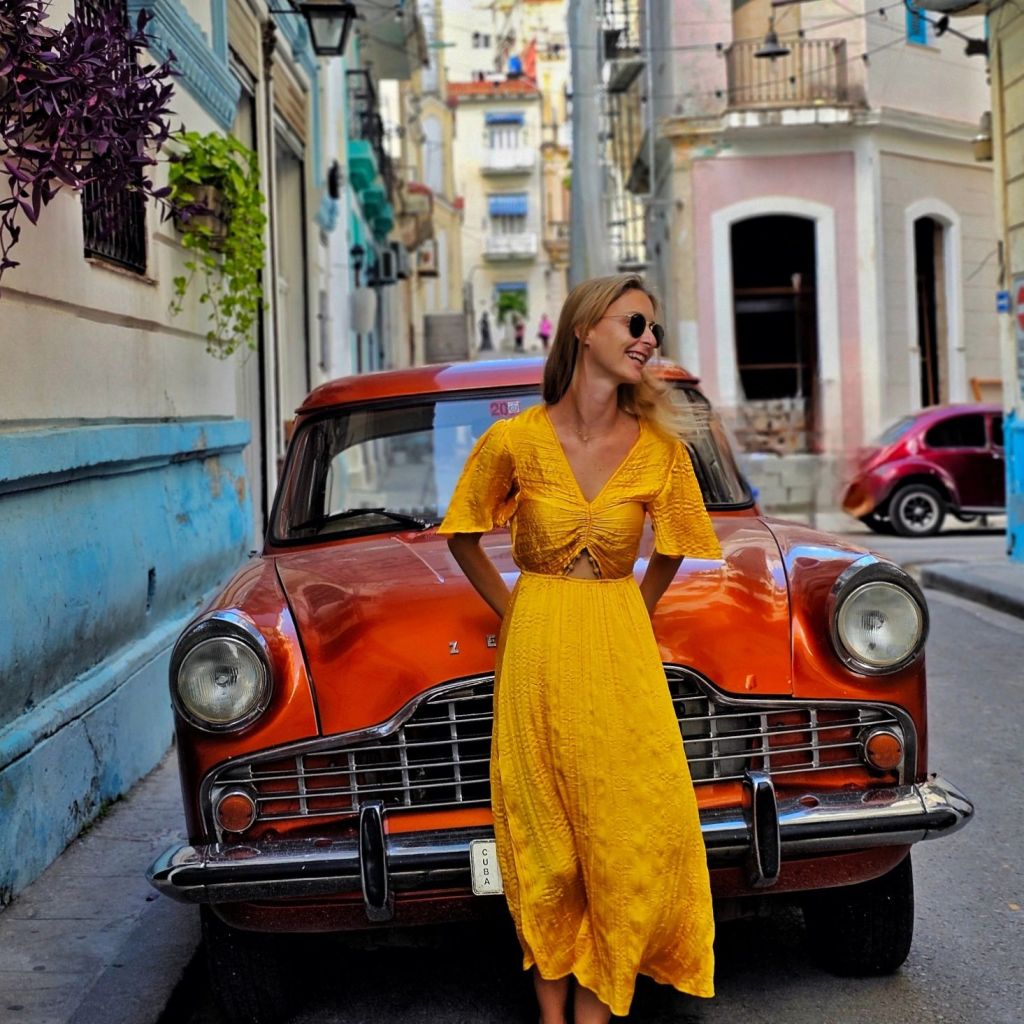
Cuba has a way of capturing your soul. Its crumbling colonial facades, the sound of salsa spilling out from every corner, and the unique resilience of its people create an atmosphere you won’t find anywhere else. But before you romanticize it too much, let’s be real: Cuba is complicated. From its political history to the current economic struggles, visiting this Caribbean island requires a mix of preparation, curiosity, and a good sense of humour.
Here’s how to spend your days in Cuba—and actually enjoy them.

The Current Situation in Cuba
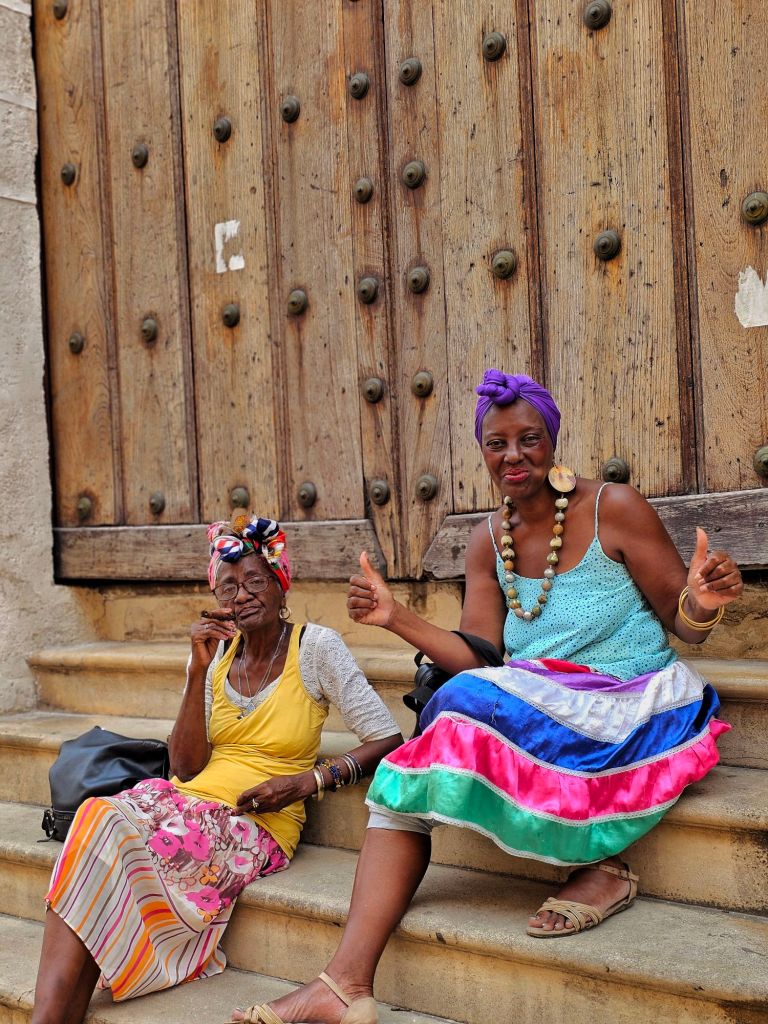
Life in Cuba isn’t easy. The country is dealing with severe shortages of basic goods due to economic sanctions, mismanagement, and global crises. As a traveller, you’ll notice this pretty quickly—restaurants may run out of menu items, and Wi-Fi is still a luxury rather than a guarantee. Despite these challenges, Cubans remain incredibly welcoming and resourceful. They’ll share stories, smiles, and maybe even a sip of their rum, even if they have little else.
What to Bring as Gifts
Forget expensive souvenirs; the best way to connect with locals is by bringing practical gifts. Things like toiletries (toothpaste, soap, feminine hygiene products), over-the-counter medicines, and school supplies are highly appreciated.
Pro tip: Avoid flashy gestures. Handing someone a tube of toothpaste on the street can feel awkward. My advice is to find a local school and go to leave stuff there. Or in case you feel awkward doing this, simply leave the stuff in the accommodation you had during your time in Cuba.
Getting There: The Visa is Now Online
Good news! The once-confusing process of getting a tourist visa for Cuba is now online. You’ll need a tarjeta de turista, which costs around $50–$100 depending on where you apply. Just fill out the form, pay, and print your visa. Trust me, this beats dealing with airline counters and their “Cuban visa on arrival” drama.
https://www.dviajeros.mitrans.gob.cu/inicio
The One Thing You’ll Always Forget to Pack
Before I went to Cuba, I read all the guides, made lists, and packed carefully—well, almost. What I totally forgot, and what I can guarantee you’ll forget too, is toilet paper. It’s something I never even thought of until I was in my first public restroom in Old Havana, and there wasn’t any. Bring your own—trust me, you’ll thank me later. It’s one of those little things that gets you a bit flustered, but after you adjust, you’ll find the humor in it. Besides, Cuba’s so beautiful, you’ll soon forget about the small annoyances.

Where to Stay
Havana offers a variety of accommodations, from luxurious hotels to intimate casas particulares for a more local experience.
Gran Hotel Manzana Kempinski La Habana
For a high-end experience, Gran Hotel Manzana Kempinski is hard to beat. Located next to Parque Central, this five-star hotel features a stunning rooftop pool with views of the city and the Malecón. The mix of modern luxury and historic charm makes it perfect for those seeking comfort and style. Expect prices around $300–$500 per night, depending on the season. Or like me, simply go there to have a cocktail and enjoy the pool and view for fraction of the price.
Hotel Nacional de Cuba
For a taste of Havana’s history, stay at the iconic Hotel Nacional. With its colonial architecture and unbeatable location overlooking the Malecón, this hotel has hosted legends like Frank Sinatra. The gardens, restaurants, and history make it a must-see, and rooms typically range from $150–$300 per night.
Casas Particulares
For a more authentic experience, opt for a casa particular. These private homes offer a personal touch, often with home-cooked meals and insider tips from your hosts. Prices are more affordable, usually $20–$70 per night, and it’s a great way to connect with locals while getting a taste of everyday Cuban life.
.
Getting Around Havana
Havana’s streets have their own rhythm, and while you can walk most places, there are a few other ways to get around:
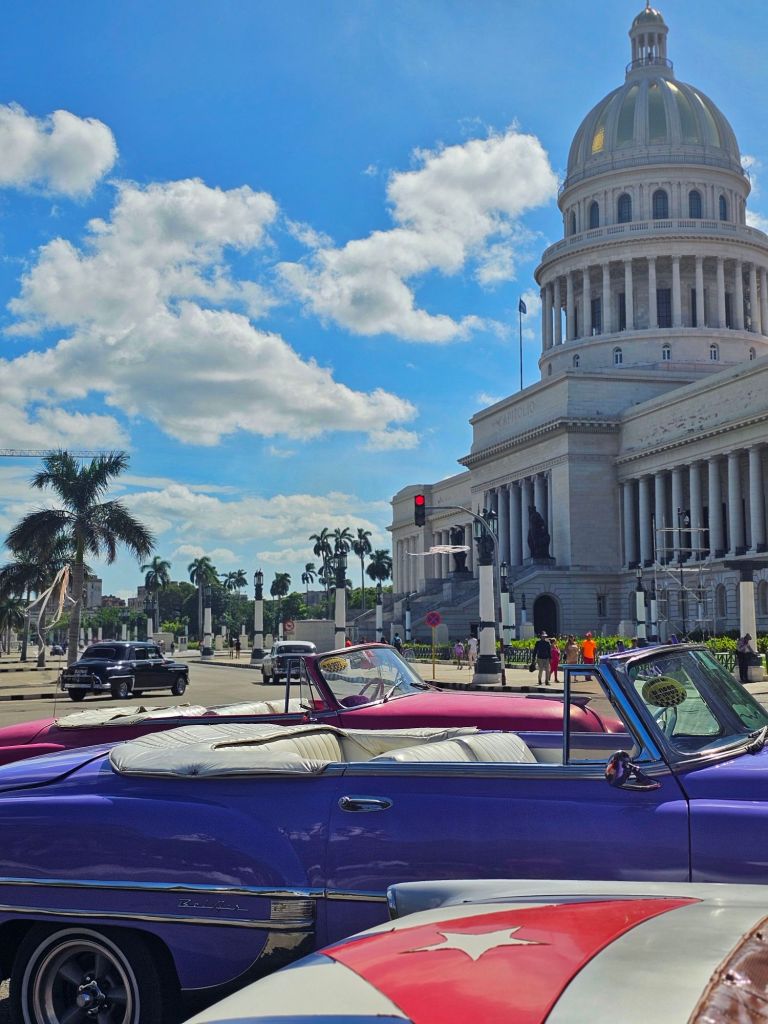
Classic Cars: You’ve seen them in photos—those shiny, vintage cars cruising through the streets. You can’t miss the opportunity to take a ride in one. Negotiate a price, and you’ll be whisked around the city in style. It’s a great way to see the city’s iconic landmarks while feeling like you’ve stepped into a 1950s movie.
Bicitaxis (Bicycle Taxis): If you’re feeling a bit adventurous, hop on a bici-taxi. These little rickshaws are perfect for short rides around Old Havana, and you’ll get a close-up view of the streets while supporting local drivers.
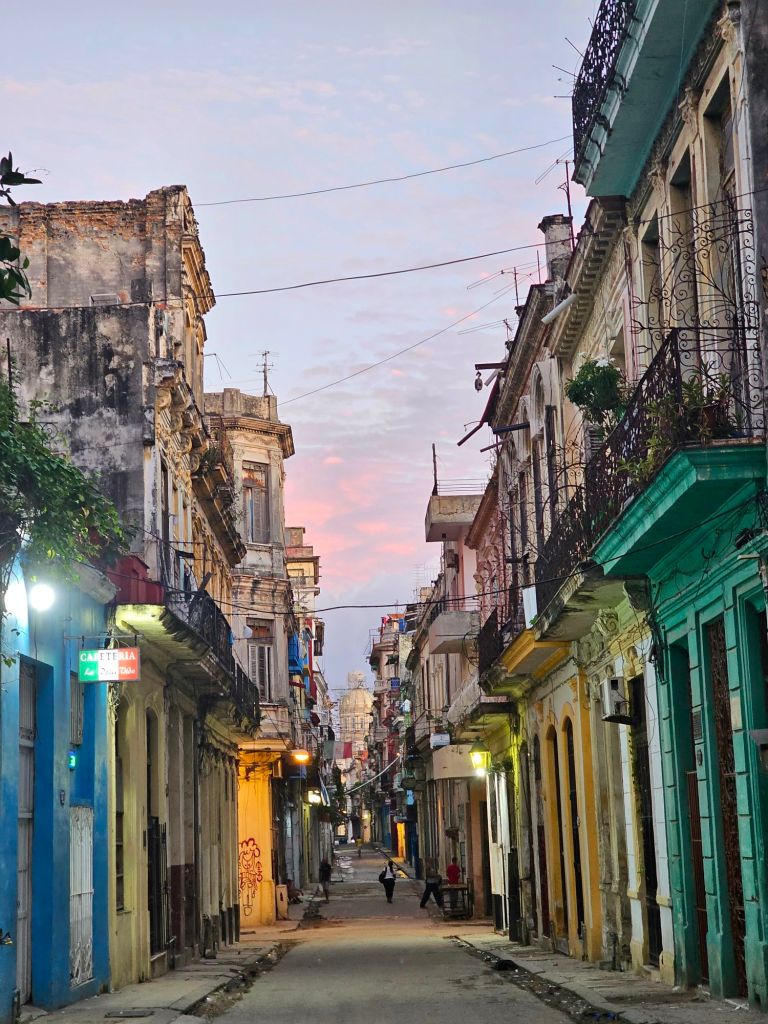
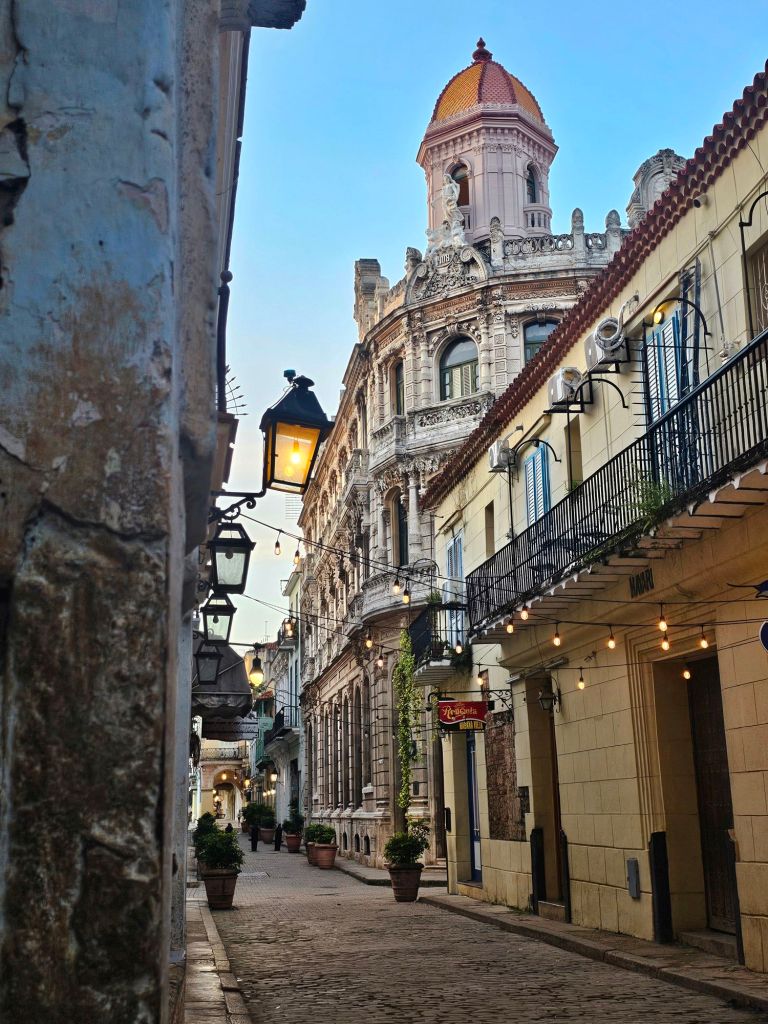
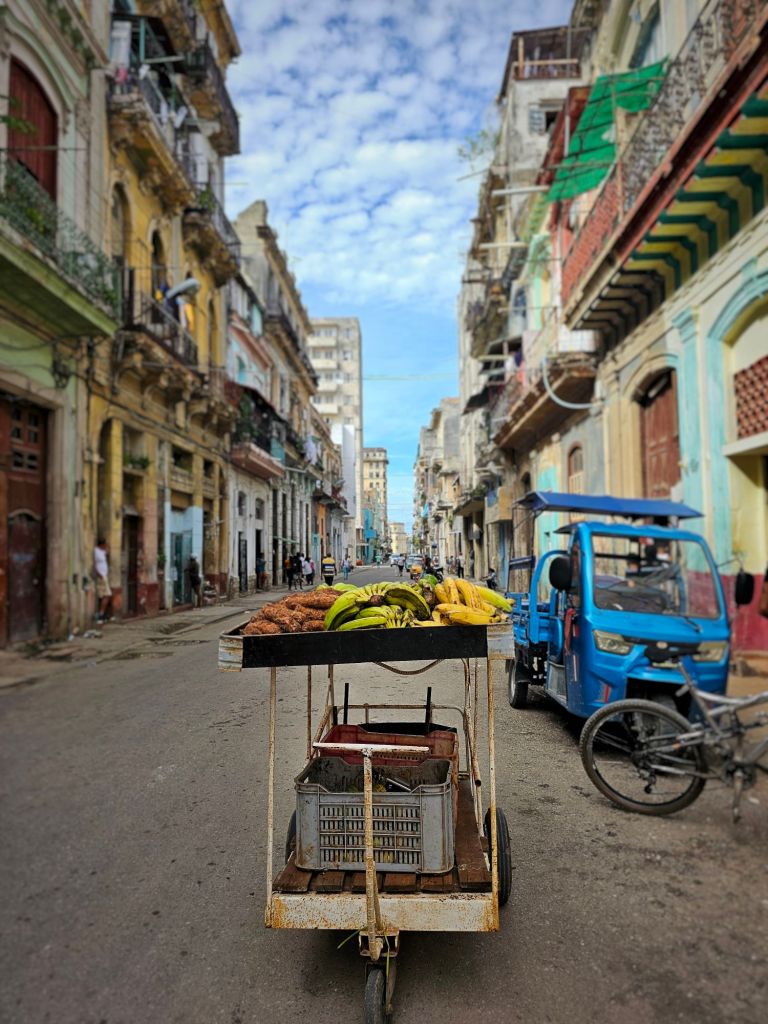
Walking: The best way to experience the heart of Havana is on foot. Old Havana (Habana Vieja) is a UNESCO World Heritage site, and its maze of cobbled streets, vibrant buildings, and hidden plazas will take you back in time. Just make sure to download offline map of the city before you venture out.
Must-See Spots
Malecón: This famous seaside promenade is the heart of Havana, where locals hang out, walk, fish, and enjoy life. Sunset here is absolutely magical, and if you have time, stroll along it and watch the waves crash over the walls.
Old Havana (Habana Vieja): This is the city’s historical center and the place that feels like Cuba in its purest form. The architecture is a blend of colonial Spanish and neoclassical buildings, painted in every shade imaginable. Walk down Calle Obispo and pop into local shops, cafes, and galleries.
Plaza de la Catedral: In the heart of Old Havana, this square is lined with beautiful buildings, including the Catedral de la Habana, a baroque-style cathedral that’s one of the city’s most famous landmarks.
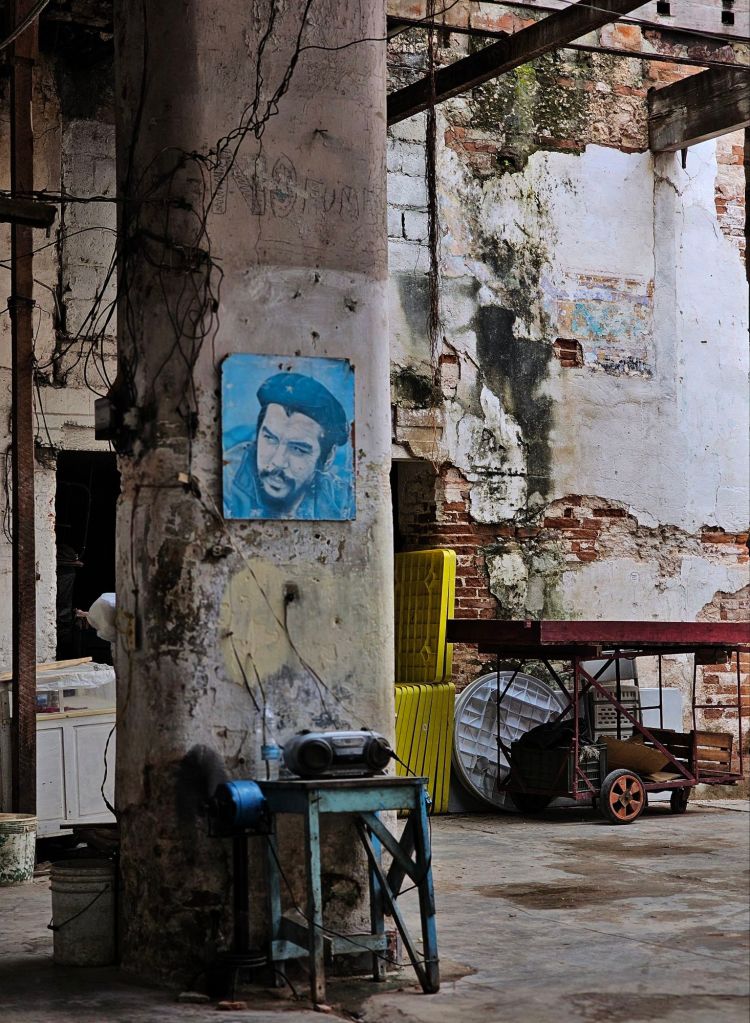
Plaza de la Revolución: If you’re into history, this spot is unmissable. It’s where Fidel Castro delivered some of his most iconic speeches, and it’s also home to the José Martí Memorial, a towering obelisk. The murals of Che Guevara and Camilo Cienfuegos are plastered across the square.
El Capitolio: Modeled after the U.S. Capitol, this neoclassical building has recently been restored. It once served as the seat of government and now houses the Academy of Sciences. Whether you go inside or admire from the outside, it’s worth a visit.


Dancing and Salsa
If you’re into dancing, Havana is the place to be. Salsa is everywhere, and even if you’re a beginner, you’ll find opportunities to learn and dance.
Casa de la Musica: The most famous place in Havana to dance salsa. Located in the heart of Miramar, it’s a massive open-air venue where locals and tourists mingle, dancing to the rhythm of Cuban beats. If you’re just visiting, it’s worth paying for a class before the party starts.
Salsa Classes: If you’re serious about learning, take a salsa class. There are many places where locals teach beginners, and they’re very affordable. You’ll find schools offering lessons like Casa del Son.
Tropicana: If you want a more touristy but spectacular experience, check out the Tropicana Cabaret. It’s a Las Vegas-style show with live music, dancing, and a spectacular open-air venue that’s as iconic as it is entertaining.
Some Practical Tips
Cash Is King: Bring plenty of cash. Credit cards might not work in many places, so it’s essential to have cash on hand, especially for small purchases or taxi rides.
Wi-Fi: Internet is still limited in Cuba. Wi-Fi hotspots are available in some parks or hotels, but it’s slow and requires buying a card. This isn’t a bad thing—it’ll force you to disconnect and actually experience the city without distractions.
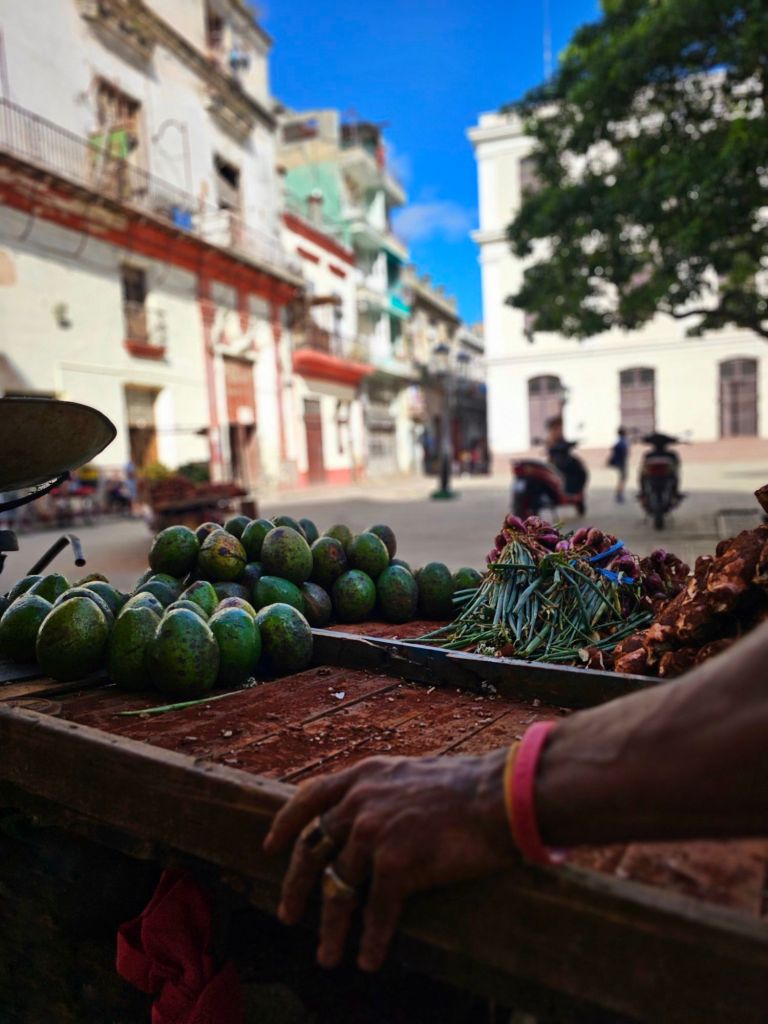
Havana isn’t a city you just visit; it’s one you experience. The vibrant colors, the timeless music, the smells of roasting pork in the air—there’s something about Havana that stays with you long after you’ve left. So take your time, wander off the beaten path, talk to the locals, and soak up every bit of the city’s charm. You’ll find that in the chaos, there’s a rhythm to it all, and once you catch it, you’ll never forget Havana.


 The Nomadic Vision
Leave a comment