I’ve always believed that some places leave an indelible mark on you. For me, Cuba was that place. A vibrant mosaic of history, music, and warmth that called me back, even after my first trip. The country isn’t just about the picturesque beaches or classic cars; it’s the people, the stories, and the rhythm of life that make it unforgettable. But beneath its undeniable beauty lies a reality of struggle, a testament to the resilience and spirit of the Cuban people.
A Warm Welcome: Staying in Casas Particulares
From the moment I set foot in Havana a few years ago and again recently, I knew this wasn’t just any destination. The warm welcome from my hosts at the casa particular (a family-run guesthouse where the owners live in the house too) made me feel at home. Staying in a casa isn’t just about having a room; it’s about sharing stories and understanding Cuban life from the inside.
Over breakfast one morning, my host shared her story. Like many Cubans, she faced daily challenges, rationed food, unreliable power, and an economy strained by decades of embargoes and political struggles. Yet, despite these hardships, her joy was contagious. “We find happiness in small things,” she said, handing me a plate of tropical fruit and the strongest coffee I’ve ever tasted.
Havana: A City of Contrasts
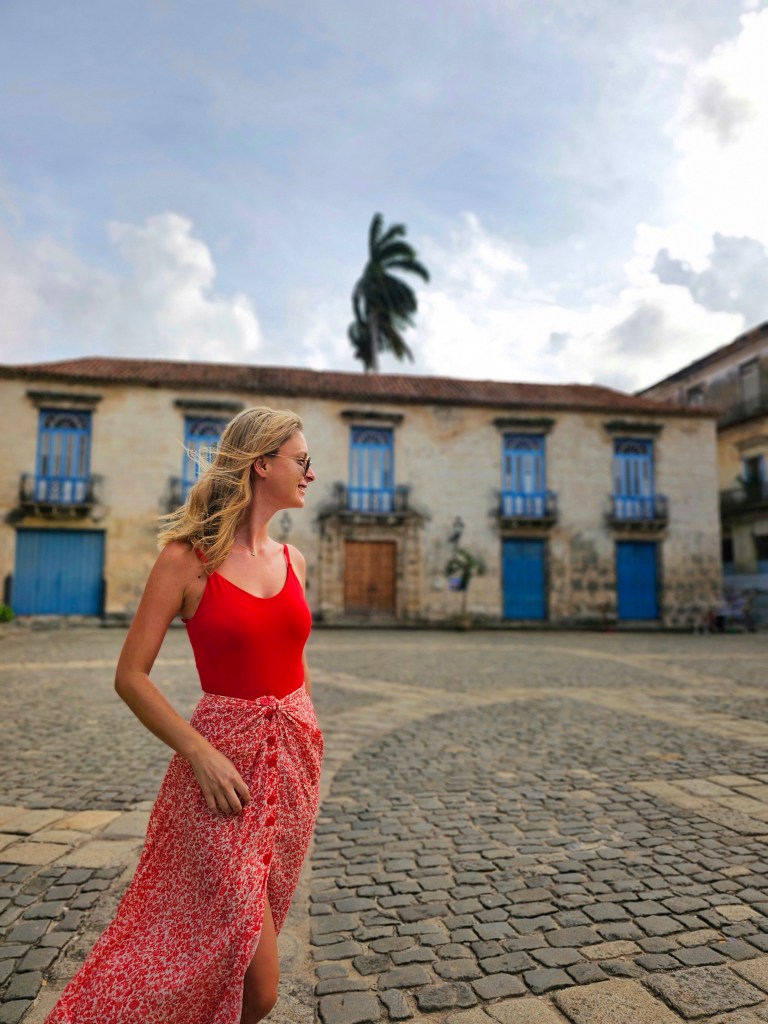
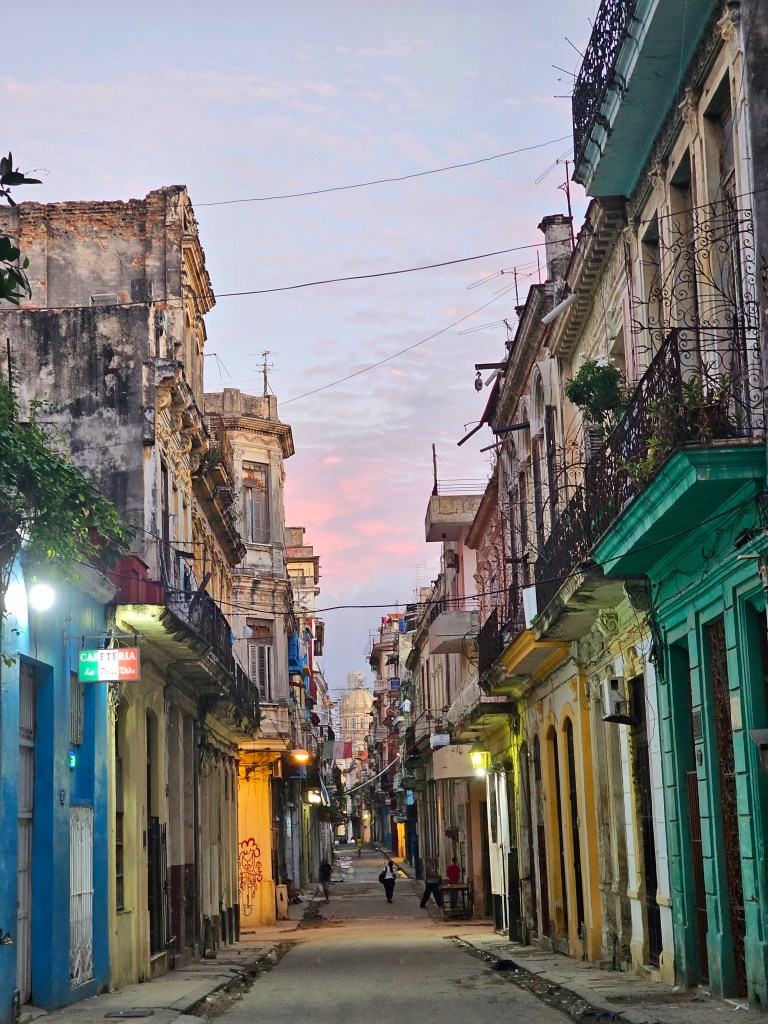
Havana is a city where grandeur and decay exist side by side. Walking through the cobblestone streets of Old Havana, I marveled at the colorful colonial buildings. It’s where I saw locals gather to laugh, sing, and embrace life’s little joys, despite the struggles that linger beneath the surface.
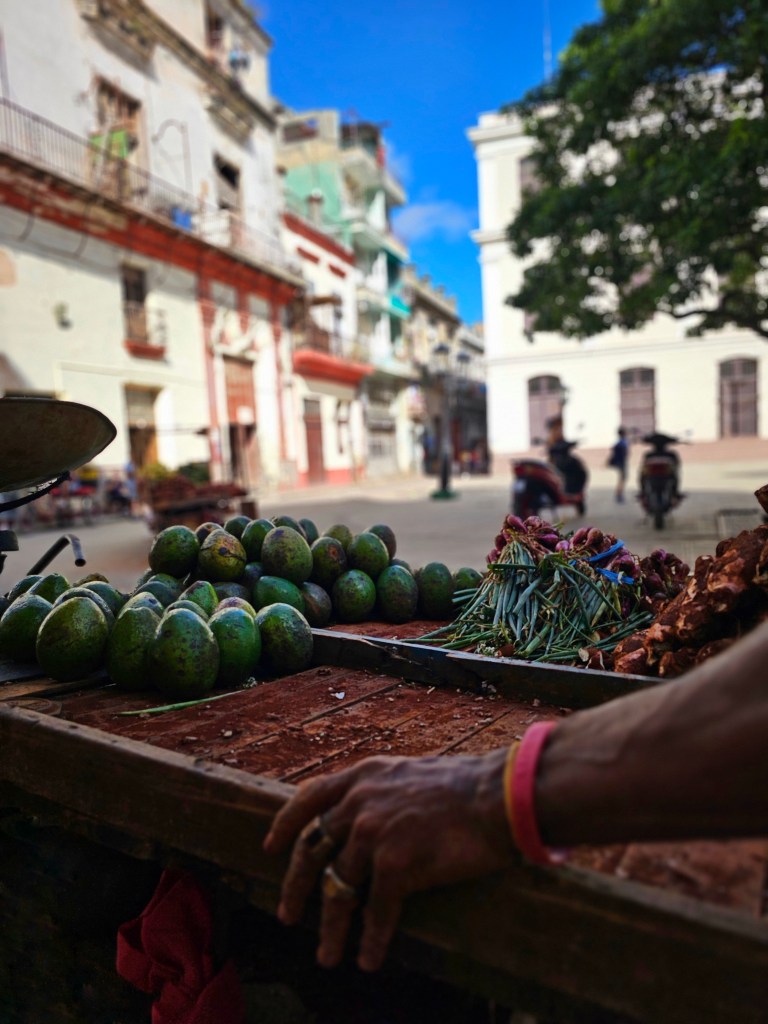
As a traveler, it was easy to romanticize Havana’s vintage cars and lively music scenes, but it was impossible to ignore the reality. While I admired the rhythm of son cubano playing on every corner, I also noticed the long lines at stores and the lack of basic goods. Yet, even in these conditions, the Cuban people find ways to thrive, to create, and to welcome visitors with open arms.

Viñales: Serenity and Resilience
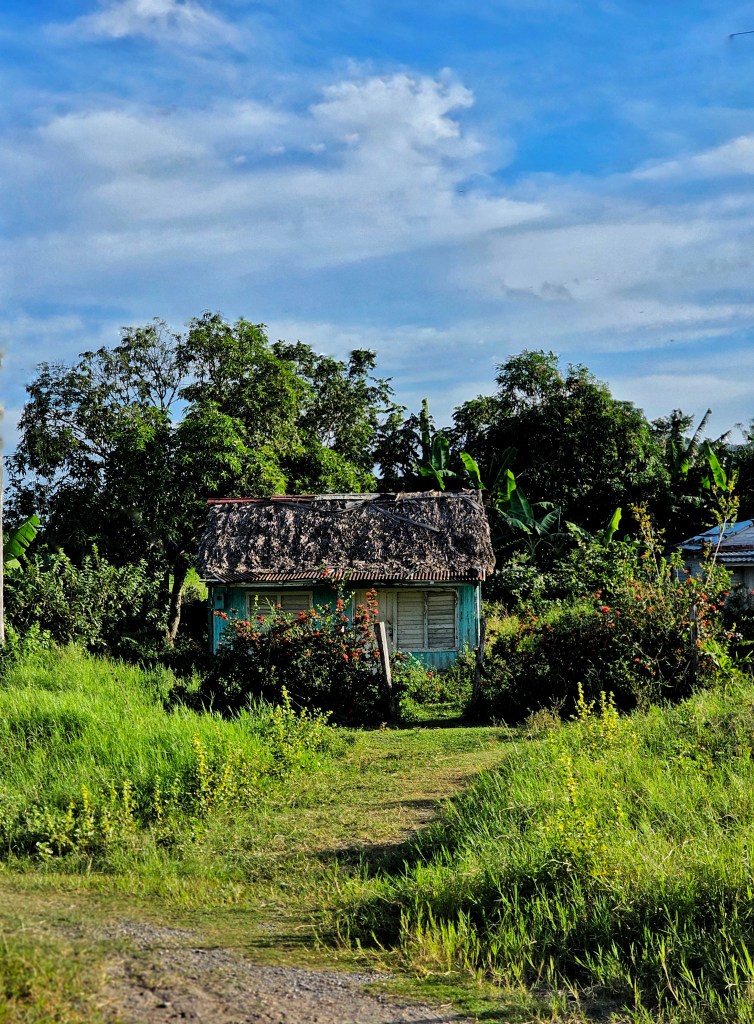
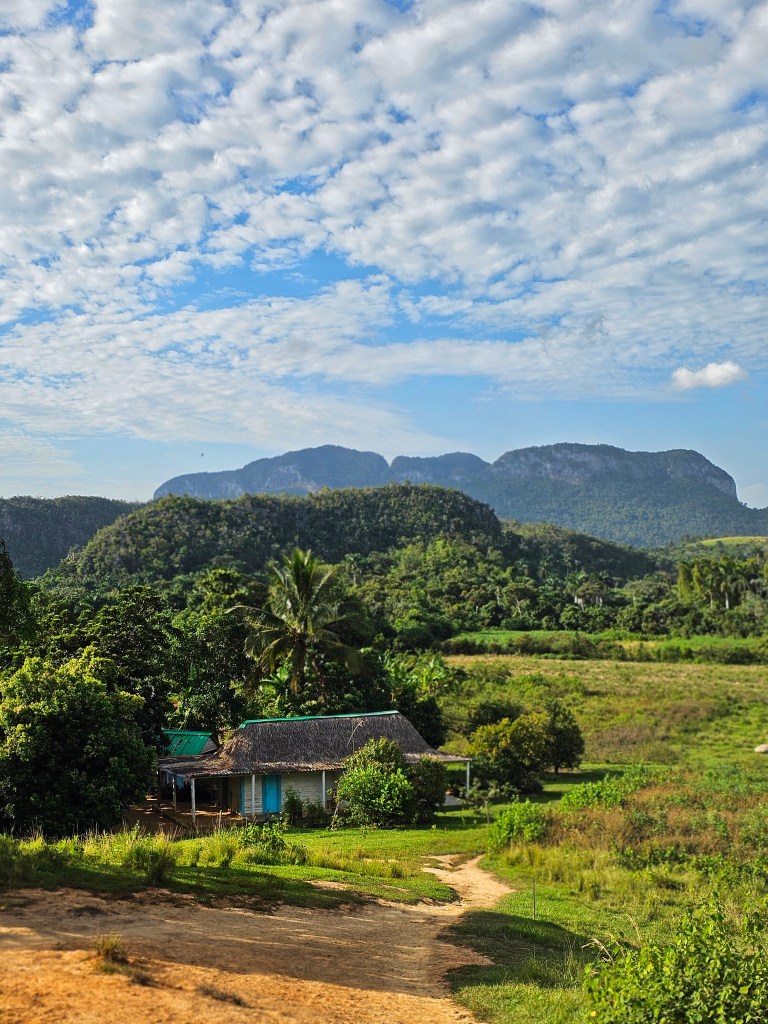
Viñales, with its lush green valleys and towering limestone cliffs, felt like a world away from Havana. Life here seemed simpler, but the struggles were still present. Farmers worked tirelessly to grow tobacco, and many supplemented their income by giving tours or selling cigars directly to visitors.
One farmer told me about his experience during the pandemic when touris, a lifeline for so many, came to a halt. “We adapted,” he said with a shrug, “but it wasn’t easy.” His words stuck with me as I rode through the valley on horseback, marvelling at the beauty and resilience of the Cuban countryside.
Safety and Kindness
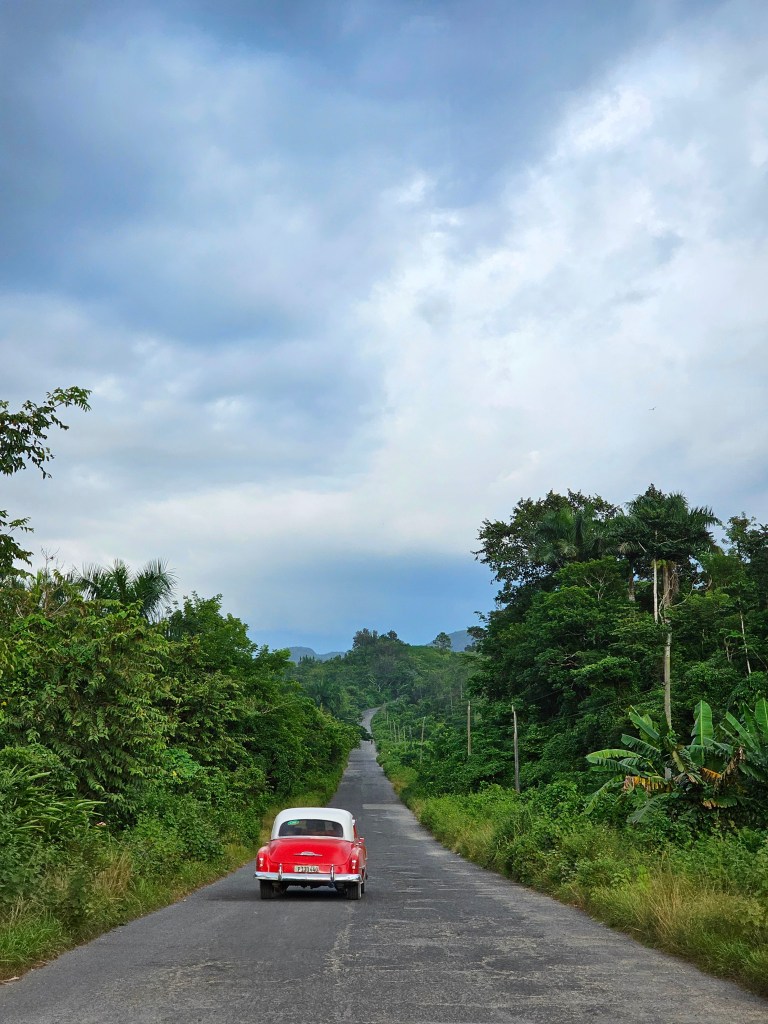
Despite its struggles, Cuba is one of the safest places I’ve ever travelled to. Walking through Havana’s neighbourhoods late at night or catching shared taxis (colectivos) between cities, I always felt secure. The people I met were eager to share their culture and make me feel welcome, whether it was by offering directions or explaining the history behind a building.
Why I Keep Coming Back
Cuba isn’t perfect, its beauty is intertwined with struggle. But it’s these complexities that make it unforgettable. The country taught me to slow down, to appreciate the richness of culture and the strength of the human spirit.
As I write this, I’m already dreaming of my next trip to Cuba. I want to return to the Malecón at sunset, to wander the tobacco fields of Viñales, and to dance in Trinidad’s vibrant squares. But more than anything, I want to reconnect with the people who taught me what it means to find joy, even in the face of adversity.
Cuba didn’t just steal my heart, it showed me a way of living that’s more connected, more vibrant, and more hopeful. Whether you have one week or two, go to Cuba not just for its beaches and music but to experience the resilience and warmth of its people. You’ll leave with more than just memories, you’ll leave with a deeper appreciation for life.
 The Nomadic Vision
Leave a comment