Senegal is a country full of contrasts, and my journey there was nothing short of an adventure. From the bustling chaos of the markets to the tranquil beauty of its villages, every moment was a discovery.
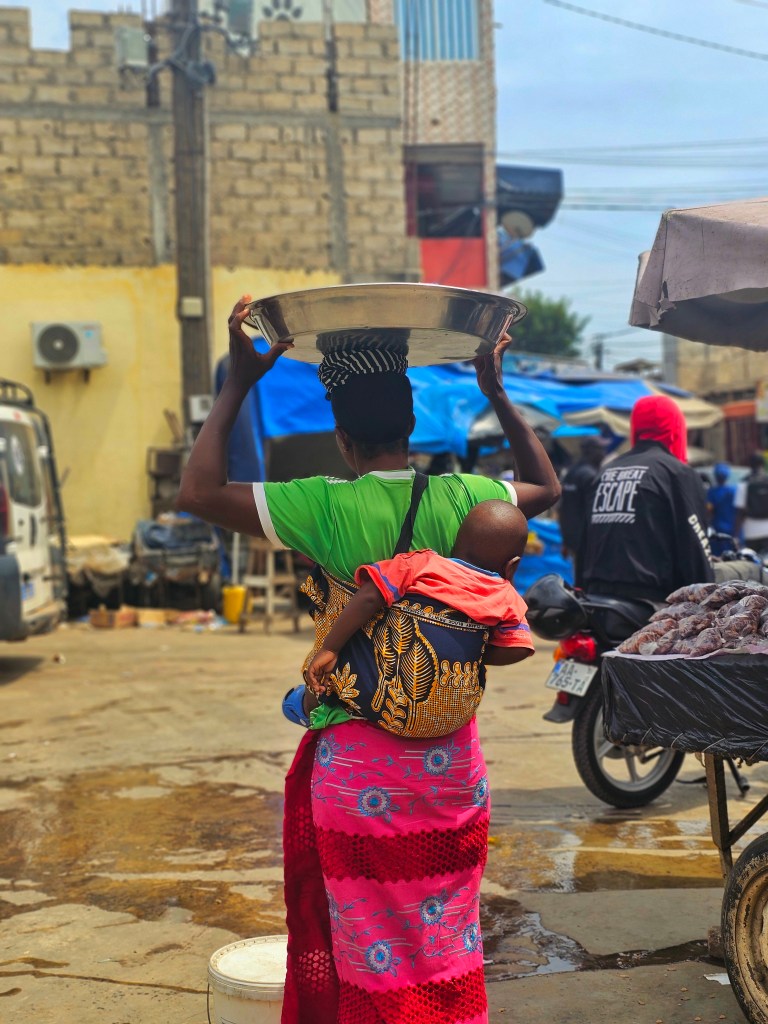
A Vibrant Welcome to Senegal: My Journey Begins
I arrived by shared car, and as I stepped out into the dusty streets, I realized that things were about to get interesting. My mission was simple: catch another shared car to take me further south to Toubacouta, a small village I was eager to explore. But in reality, nothing is simple when you’re navigating local transport in Senegal.
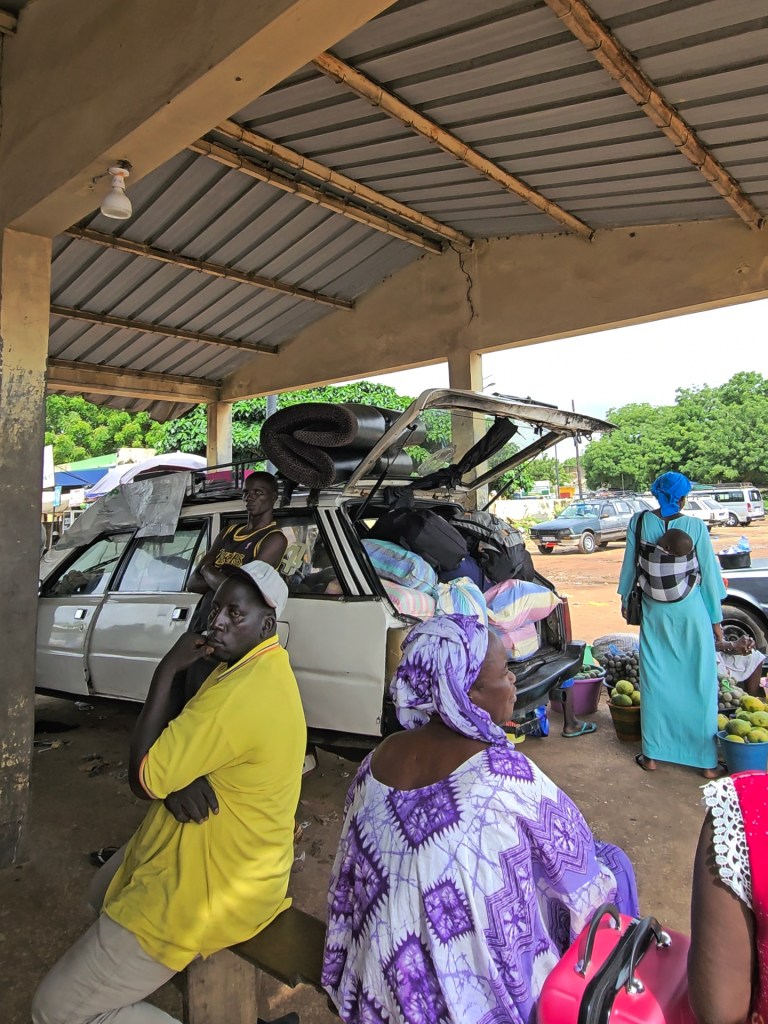
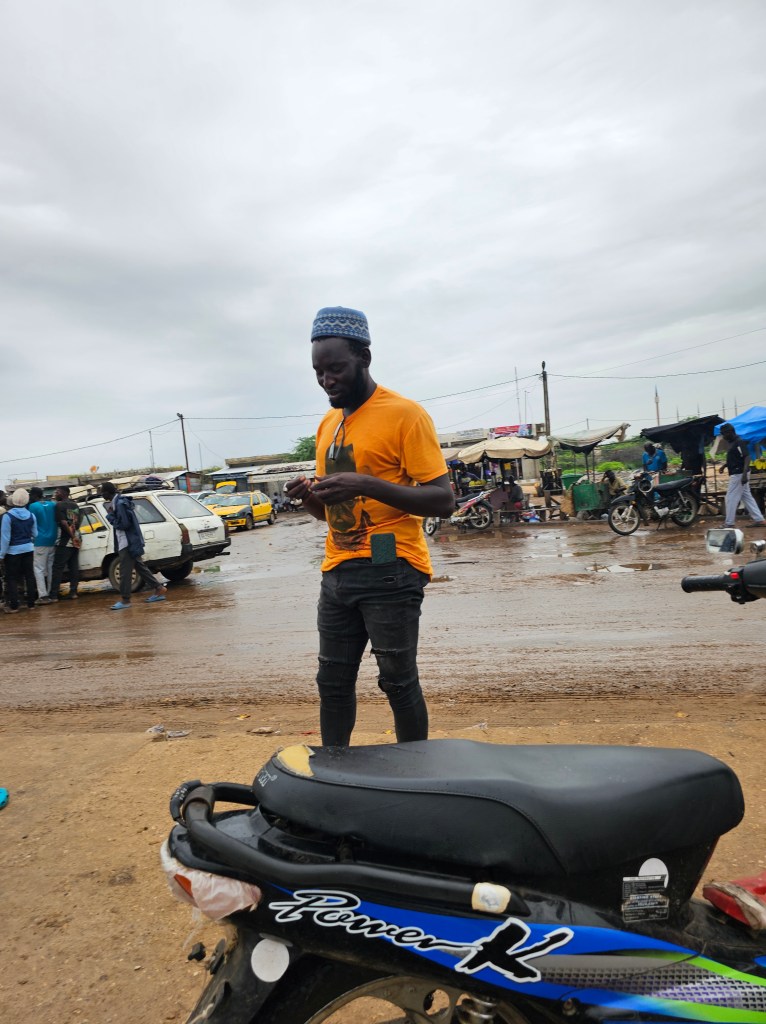
But then, a local man approached us while we were moving—rambling in French, his words tumbling out faster than I could catch. I managed to mutter that I didn’t speak French, but that didn’t stop him. With a strange sense of confidence, he reached up and snatched two strands of my hair from my head. It all happened so quickly, and I was left in a mixture of confusion and disbelief. I laughed it off, unsure whether to be shocked or amused by the randomness of the situation.
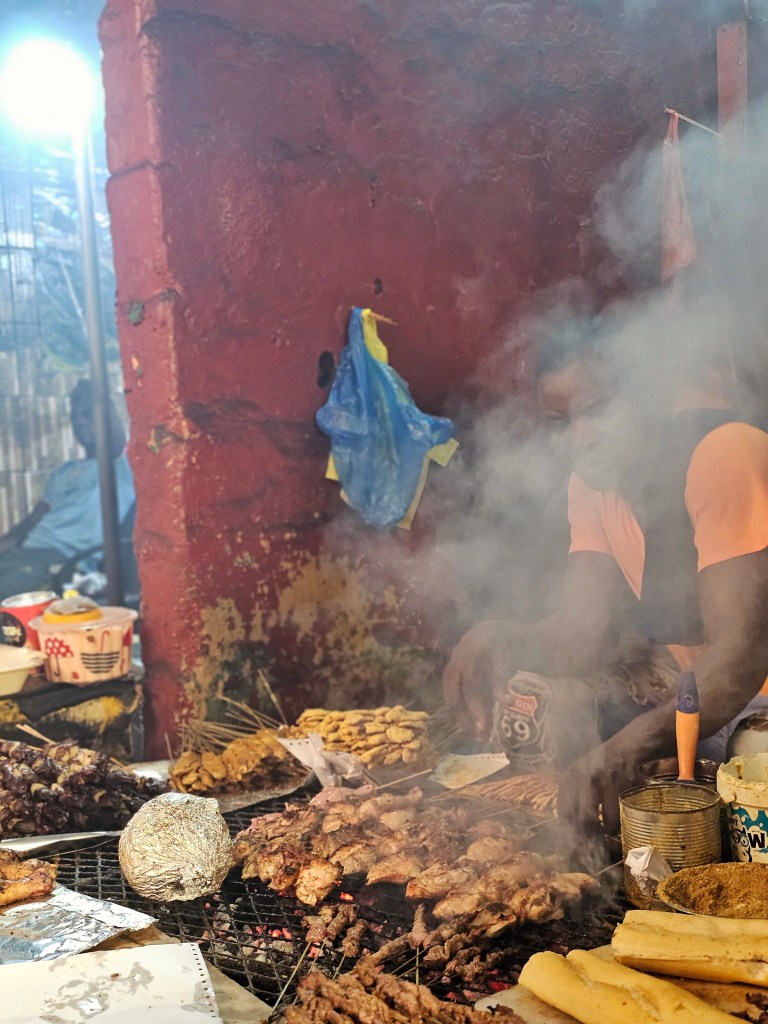
As the moto taxi zoomed through the streets of Kaolack, I had no idea where I was going, but I couldn’t help but smile at the absurdity of it all. I had never felt so lost, yet so open to whatever would come next. The moto stopped in front of a huge market, a wild and vibrant space where the streets were packed with vendors yelling, haggling, and cooking food. The air was thick with the smell of spices, grilled meats, and street food. It was sensory overload in the best way.
Travelling as a Woman in Senegal
As a woman travelling alone in Senegal, I was prepared for a mix of experiences. In some places, I was met with stares and curiosity, while in others, I found an unexpected camaraderie with local women. Senegalese women are known for their resilience and strength, and I saw this reflected in the many cooperatives I encountered—groups of women working together to empower each other, selling crafts, producing goods, and building a better future for themselves and their families.
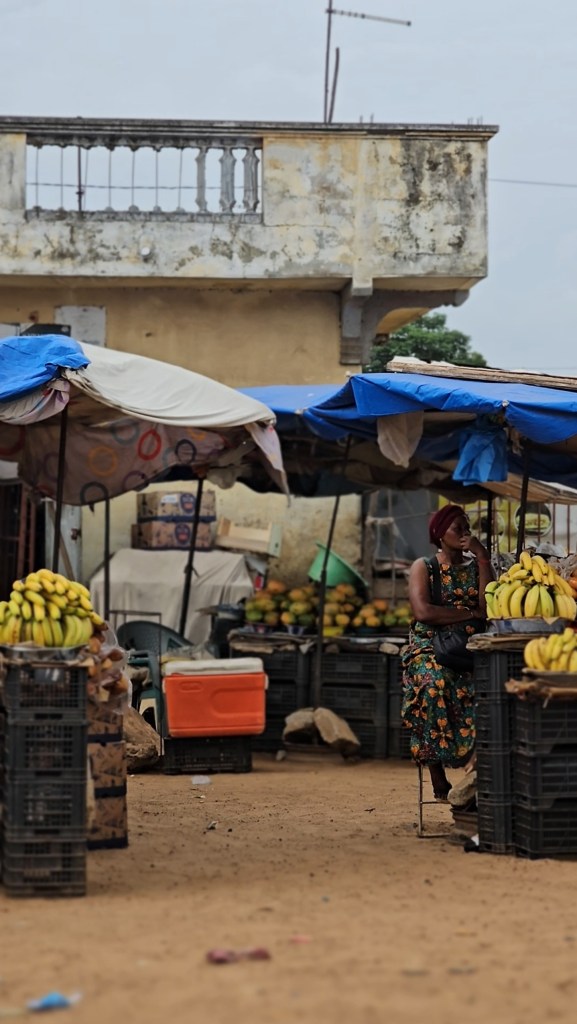
One of the things that struck me most was the pace at which Senegal is developing. It’s not fast, but it’s steady, and it’s clear that the local people are proud of their progress. Women in villages like Toubacouta and even in the larger cities are creating opportunities for themselves, proving that even in places with limited resources, change is possible. These cooperatives are more than just businesses—they’re a symbol of the resilience and ambition of the Senegalese people.
The Monument Controversy and Senegal’s Political Landscape
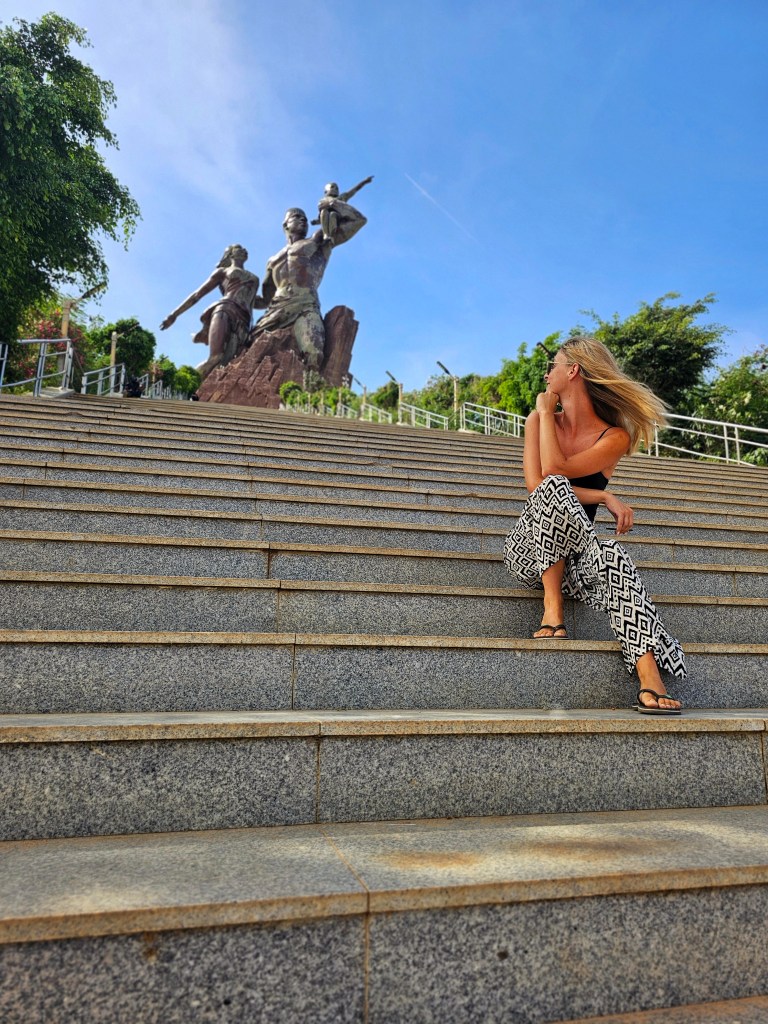
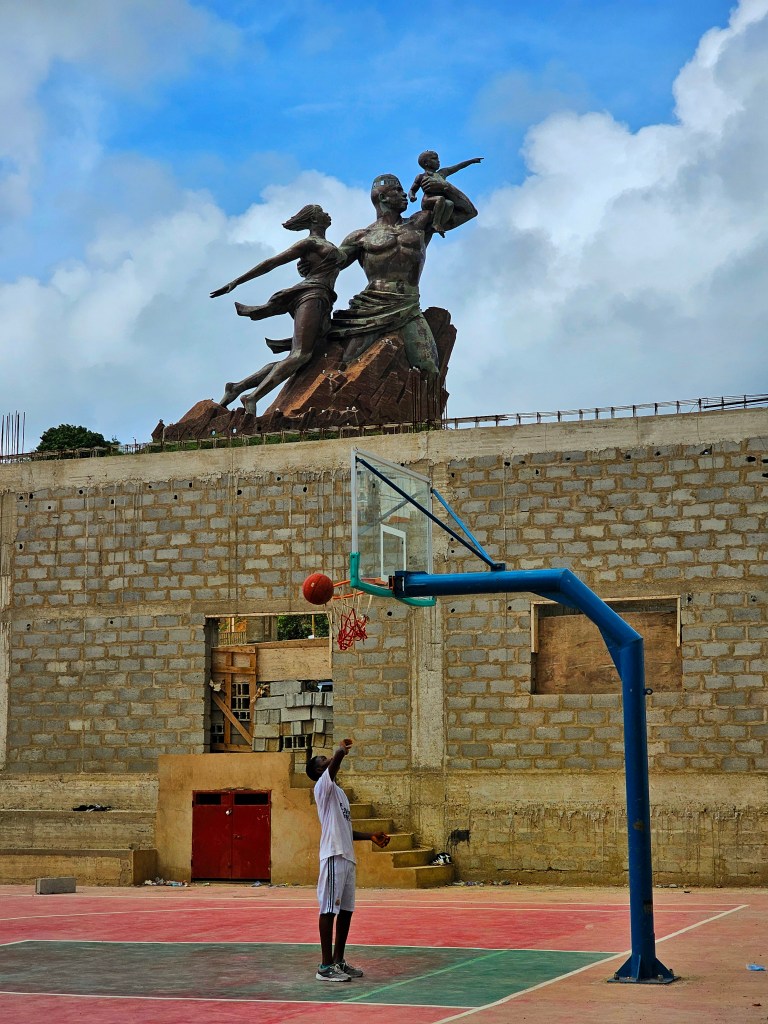
While the country is progressing, there are still issues that need attention. One of the most glaring examples of this is the controversial “African Renaissance Monument” in Dakar. This colossal statue, built to commemorate the African continent’s independence, cost millions to construct. However, the monument has sparked a significant corruption scandal, with many questioning how such an extravagant project was funded. Some argue that the funds could have been better spent addressing issues such as education, healthcare, or infrastructure. This tension between pride in national identity and the realities of development is an ongoing conversation in Senegal.
Exploring Gorée Island and Dakar
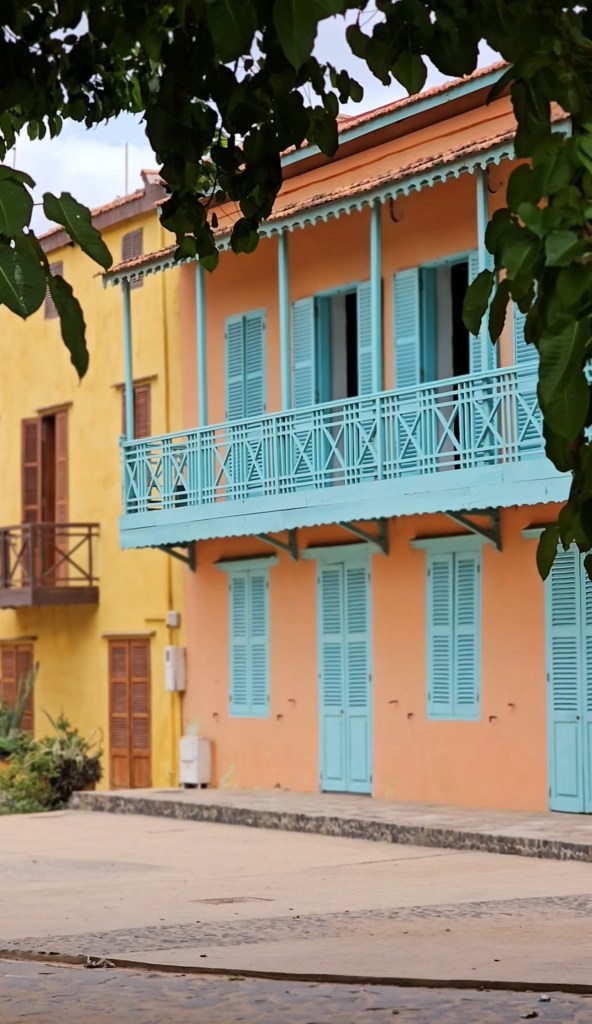
From the bustling markets of Kaolack, I made my way to Gorée Island, a place that holds deep historical significance. As a former slave-trading post, the island is a powerful reminder of the past. But what makes it even more special is its present. The island, with its charming colonial houses and quiet streets, is a place of reflection and remembrance.
I was fortunate enough to stay overnight in the home of a local friend, which gave me a rare opportunity to experience the island before the tourist crowds descended. As night fell and the ferries stopped arriving from Dakar, the island became quiet, almost serene. Without the usual influx of visitors, I was able to walk through the streets, reflecting on the island’s history and its modern-day life. The feeling of calm before the storm of tourists was something I would recommend to anyone visiting.
The next day, I took a boat ride to go and explore the markets in Dakar. The contrast between the peacefulness of Gorée and the hustle and bustle of Dakar’s markets couldn’t have been more pronounced. The markets were packed with vendors selling everything from clothes to food, all shouting their prices in a mix of French and Wolof. It was loud, chaotic, and colourful, but in a way that felt welcoming.
But amidst the beauty and vibrancy, I couldn’t ignore the reality of garbage and pollution. Like many parts of the world, Senegal is struggling with waste management, and it’s something that needs urgent attention. The streets of Dakar, in particular, often seemed cluttered with plastic and debris, a stark contrast to the natural beauty of the country.
One of the highlights of my time in Senegal was the food. I couldn’t get enough of the street food, especially the grilled meats. One night, I had a sandwich filled with different types of grilled meat—chicken, lamb, and beef—served with a spicy sauce that was the perfect balance of heat and flavour. It was messy, delicious, and absolutely unforgettable.

The Contrast in Toubacouta
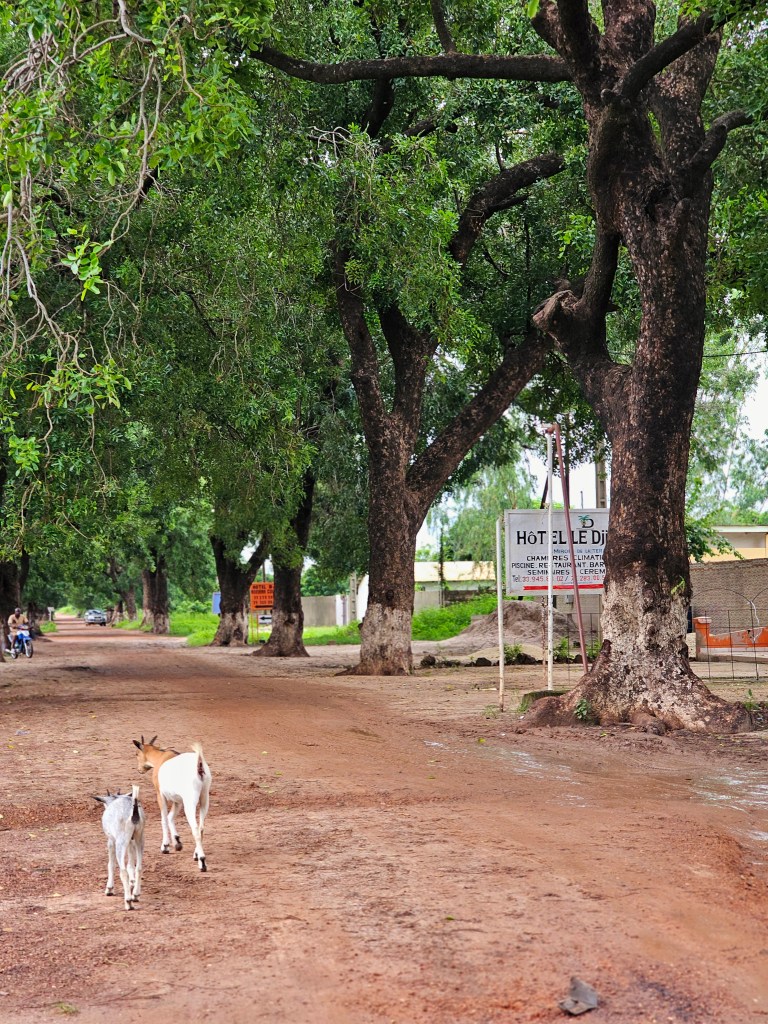
After the chaotic energy of Dakar and Gorée, Toubacouta was a breath of fresh air. This small village, located in the southern part of Senegal, felt like a different world. The people here were kind, warm, and welcoming. I felt like a guest in their home, and the hospitality was unmatched. One afternoon, during the rainy season, the skies opened up, and within 30 minutes, the entire village was flooded. I found myself walking through knee-deep water, flip-flops squelching with each step. I couldn’t help but laugh at the situation—how did I always find myself in these unexpected circumstances?
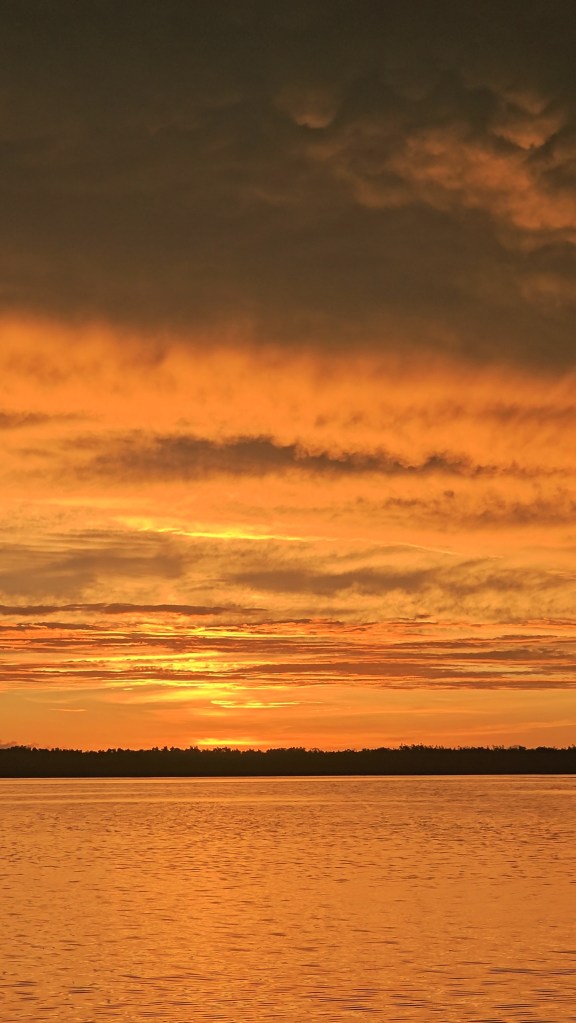
After a two-hour nap to recover from the soaking rain, I ventured out for a boat ride through the Saloum Delta. As we floated along the water, I was treated to the most incredible sunset I’ve ever seen. The sky turned golden orange and red, reflecting over the calm waters of the delta. It was a magical moment, a perfect way to end my time in Senegal.
To wrap up
Senegal, with its vibrant markets, rich history, and warm people, will always hold a special place in my heart. From the chaotic streets of Kaolack to the serene waters of Toubacouta, my journey through this country was filled with surprises. I learned that in Senegal, life is lived at its own pace, where chaos and calm coexist, and where the future is being built one small step at a time. Whether you’re a solo female traveler or just someone looking for a unique experience, Senegal offers a journey that will stay with you long after you leave.
 The Nomadic Vision
Leave a comment