Visiting a fishing village in The Gambia is an experience that lays bare the beauty and the struggles of a community deeply tied to the sea. Close to the capital, Banjul, the village I visited wasn’t just a destination. It’s resilience, tradition, and hard realities.
First Impressions
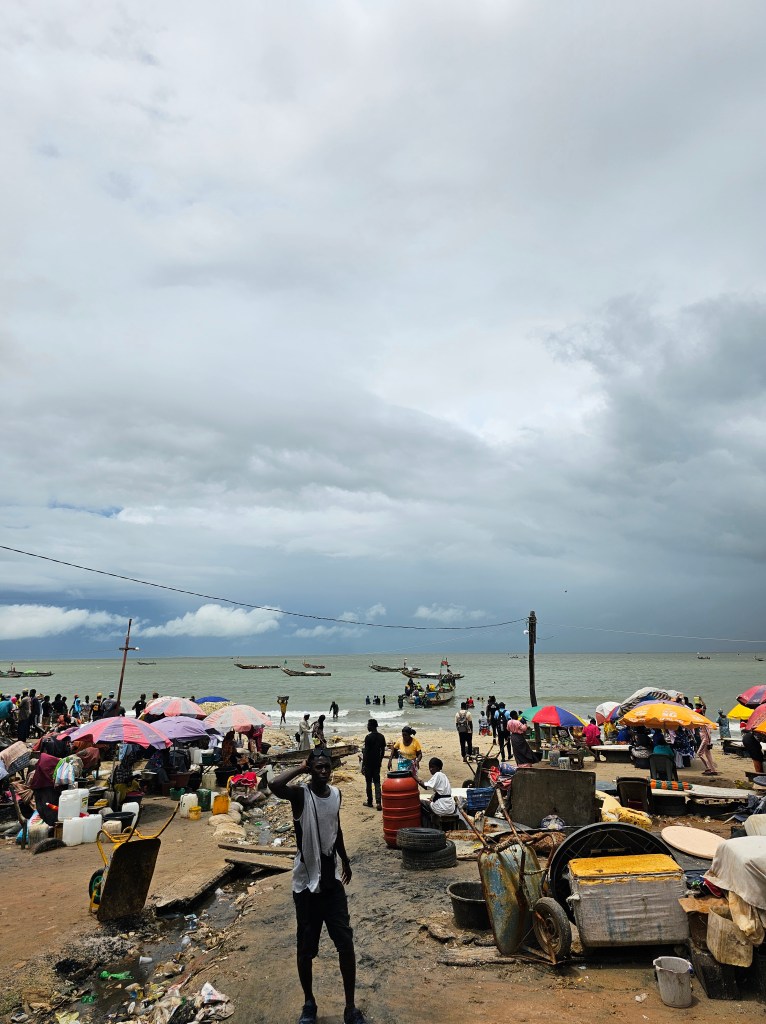
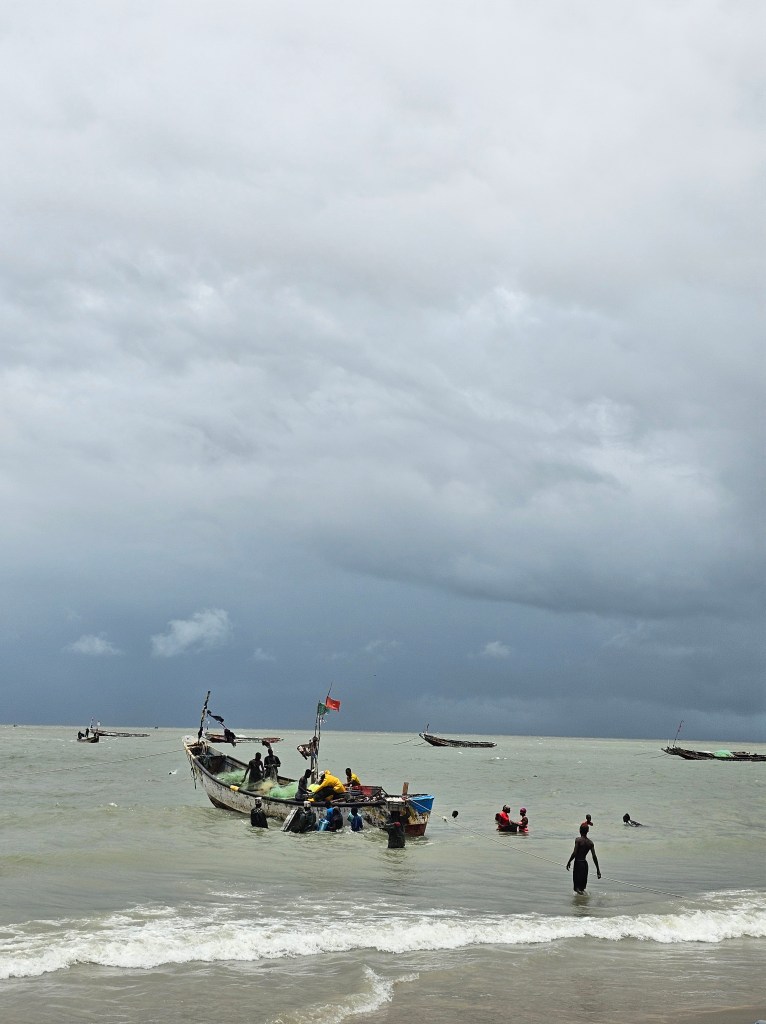
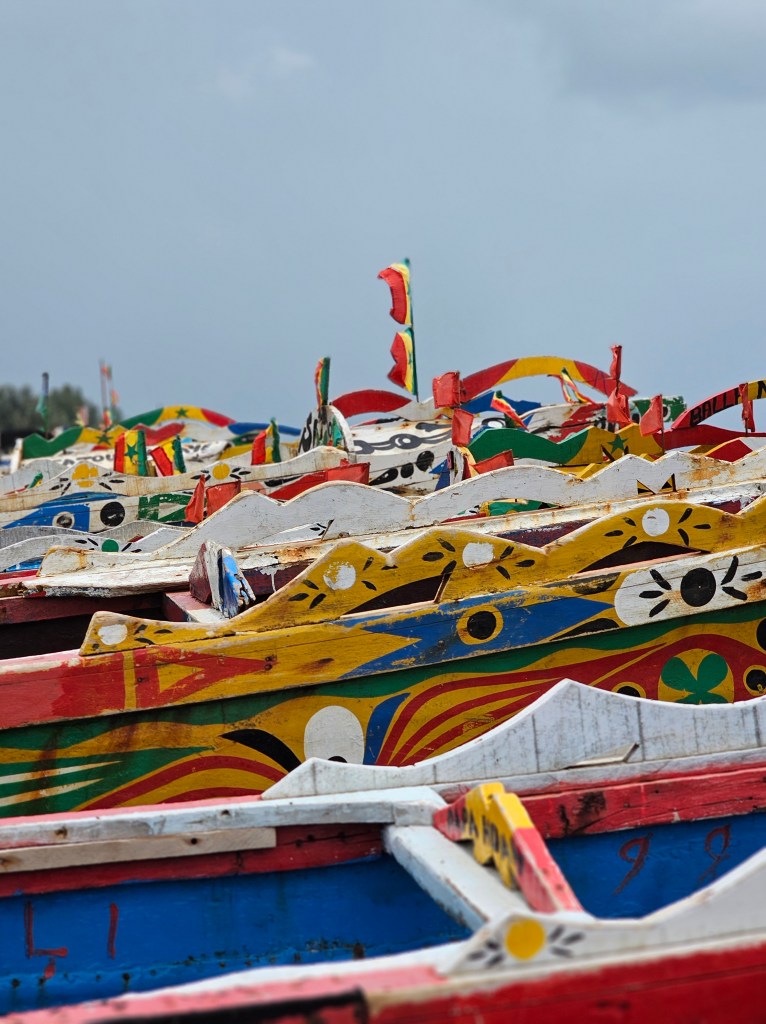
The shoreline was alive with activity: fishermen hauling in their catch, women sorting fish into buckets, and children running barefoot along the sand. The pirogues, brightly painted wooden fishing boats, added vibrant colours to the scene.
But amidst this energy was a stark reminder of the challenges these communities face. Piles of garbage lined the beach, a mix of discarded fishing gear, plastic waste, and other debris. It was a jarring sight against the backdrop of the ocean. Locals worked around it, seemingly unfazed, but for an outsider, it was a clear reflection of how poverty, lack of infrastructure, and environmental neglect intersect.
The People and Their Stories
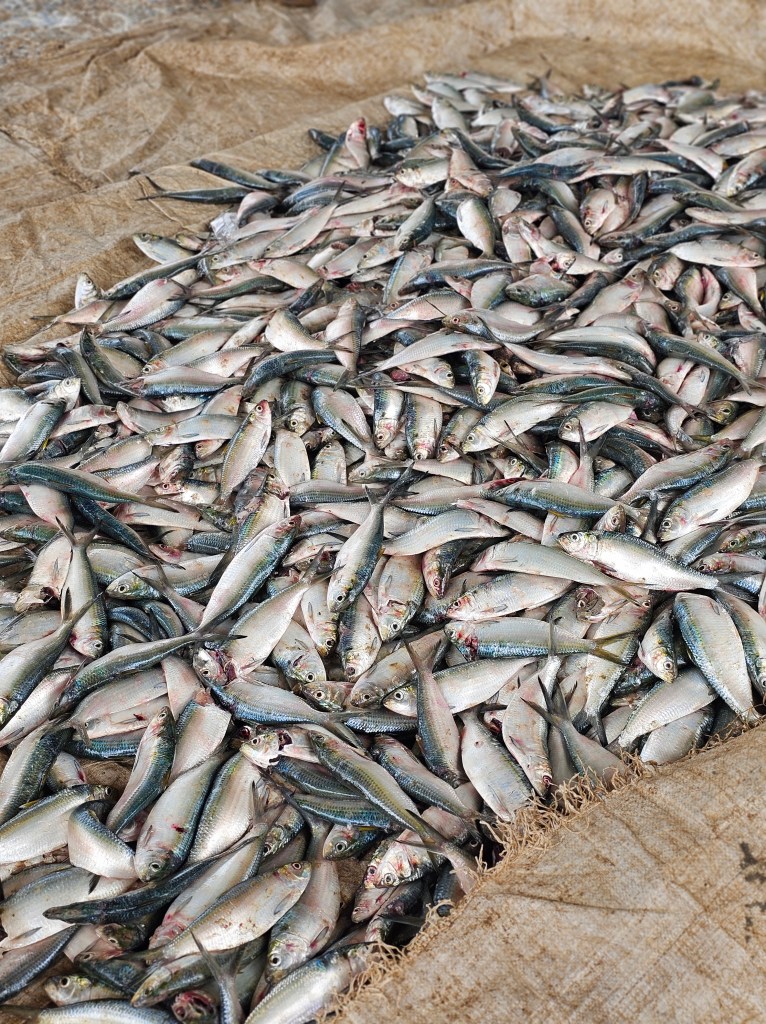
Many of the villagers live on the edge of poverty. Families make do with what they have, and the entire community contributes to the fishing trade to keep things running.
Traditional Methods
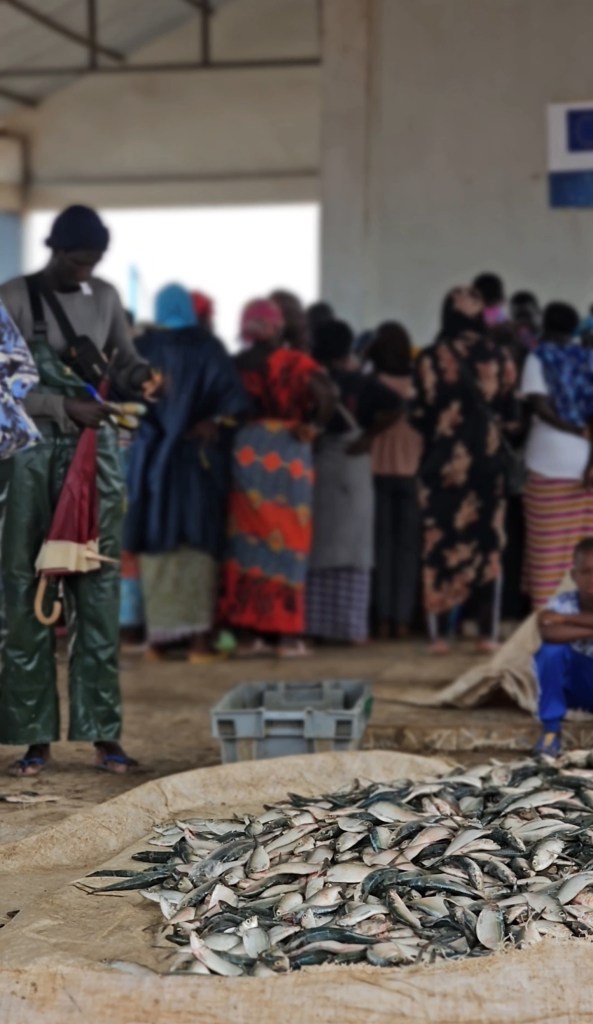
The process of preparing fish was fascinating to watch. Women worked in groups, gutting and cleaning fish with practiced efficiency. Long drying racks stretched along the shore, and the smell of fish being smoked over woodfires filled the air.
I tried a piece of freshly smoked fish, simple, salty, and full of flavour.
A Complex Reality
The fishing village wasn’t a postcard-perfect scene, and it wasn’t meant to be. The garbage on the beach, the makeshift homes, and the physical toll of daily labour spoke volumes about the struggles these people endure.
At the same time, it was clear that this way of life is deeply meaningful to those who live it. The connection to the ocean, the pride in their craft, and the reliance on each other was evident.
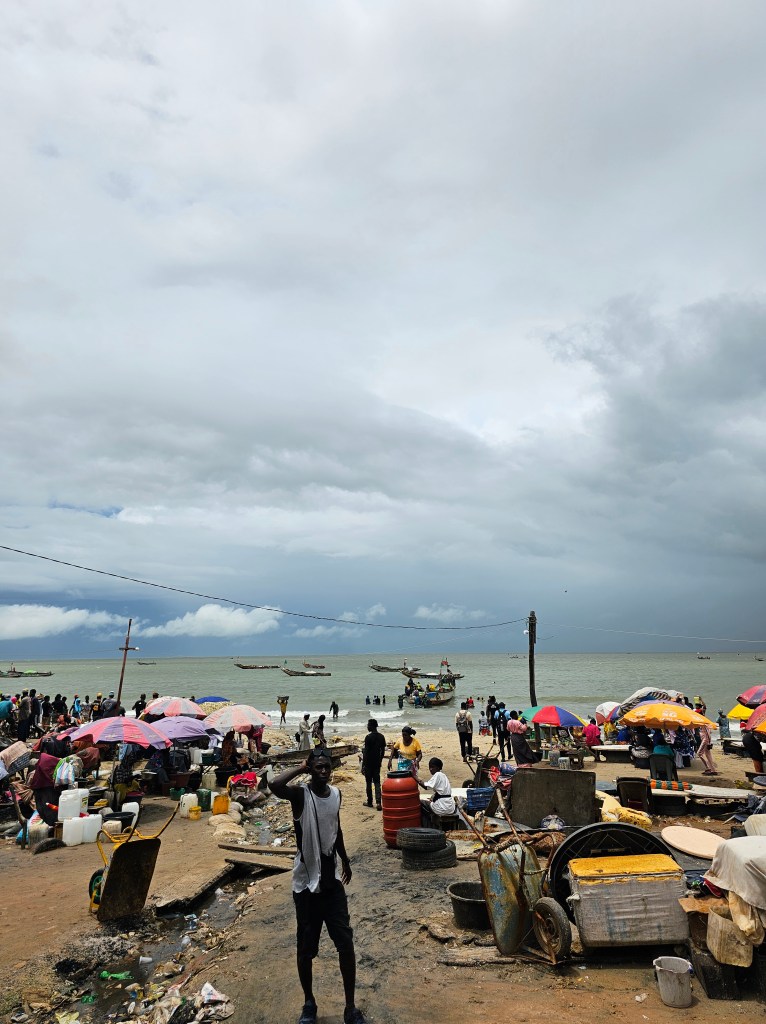
Walking away from the village, I couldn’t help but feel a mix of admiration and discomfort. Admiration for the resilience of the people, but discomfort knowing that their reality is one of both beauty and inequity. It’s easy as a visitor to romanticize the simplicity of life in such places, but doing so would overlook the systemic challenges they face.
Tips for Visiting a Fishing Village in Gambia
Be Respectful: The village is not a tourist attraction but a functioning community. Approach with humility and sensitivity.
Acknowledge the Environment: The garbage isn’t just an eyesore; it’s a reflection of larger issues like lack of waste management and global environmental inequality.
Engage, Don’t Observe: Talk to the locals if they’re open to it. Understanding their stories adds depth to your visit.
Support Locally: If possible, buy smoked fish or small handmade items to contribute directly to the community.
 The Nomadic Vision
Leave a comment