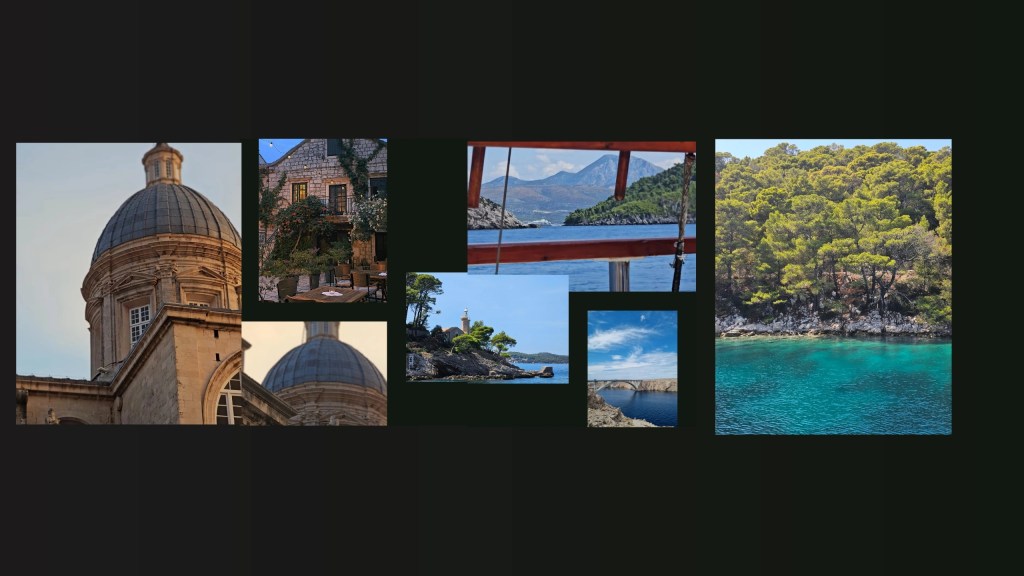
When you picture Croatia, you might imagine stone-walled cities and turquoise seas. For me, it’s something deeper. I’m from Dalmatia, a region that isn’t just beautiful, it’s fully alive. It breathes slowly in the summer heat, smells like salt and pine, and sounds like crickets at noon and old men arguing over coffee at 7am.
This post isn’t a tourist checklist. It’s my take, as someone from here, on how to really experience Dalmatia.
What is Dalmatia
Dalmatia is the southern stretch of Croatia’s coast, running from roughly Zadar to Dubrovnik, including dozens of islands and historic towns in between. But to me, Dalmatia is more than a place. It’s a mood. A mix of pride, tradition, stubbornness, and simplicity. We live slowly, speak directly, and love deeply.
Zadar
It’s a city that lives comfortably between Roman ruins, socialist apartment blocks, and modern art installations like the Sea Organ and Sun Salutation.
The old town sits on a peninsula surrounded by sea and stone walls. Sunset here really is special, Alfred Hitchcock said it, and we kind of agree. But what makes Zadar beautiful to us isn’t the postcard view, it’s the energy: students biking, locals having a drink in kavana bars, and the quiet of a weekday morning walk along the Riva.
Don’t miss climbing the cathedral bell tower and sip local vines next to Sea Organs with a sunset in the background
DAY TRIPS FROM ZADAR
▪︎ Paklenica National Park
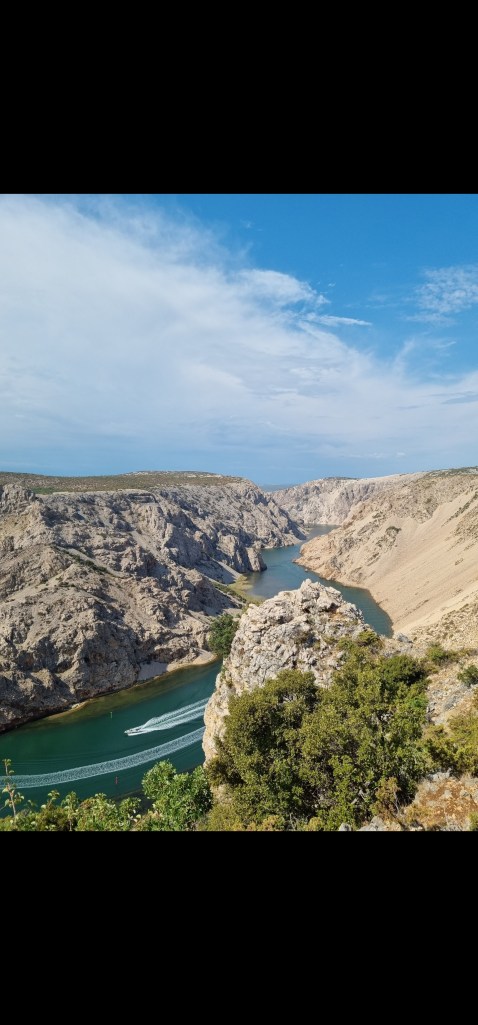
Mountain where locals go to hike, rock climb, or just breathe mountain air. Trails range from easy walks to serious climbs. The Velika Paklenica Canyon is stunning and partially shaded.
▪︎ Dugi Otok:
Not as touristy as other islands, Dugi Otok is perfect for a peaceful island escape. You can visit the famous Sakarun Beach for white sand and turquoise water, or head to Telašćica Nature Park for cliffs, salt lakes, and donkey sightings.
▪︎ Kornati Islands:
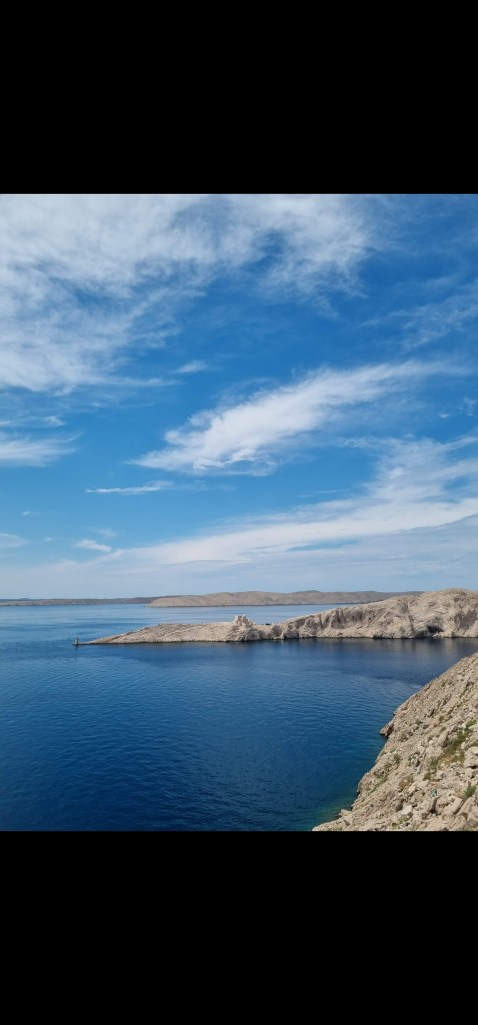
The Kornati archipelago is made up of 89 rocky, uninhabited islands and islets. From the sea, they look surreal, almost lunar. Most people visit on a boat tour (you can find them in Zadar harbour).
▪︎ Nin:
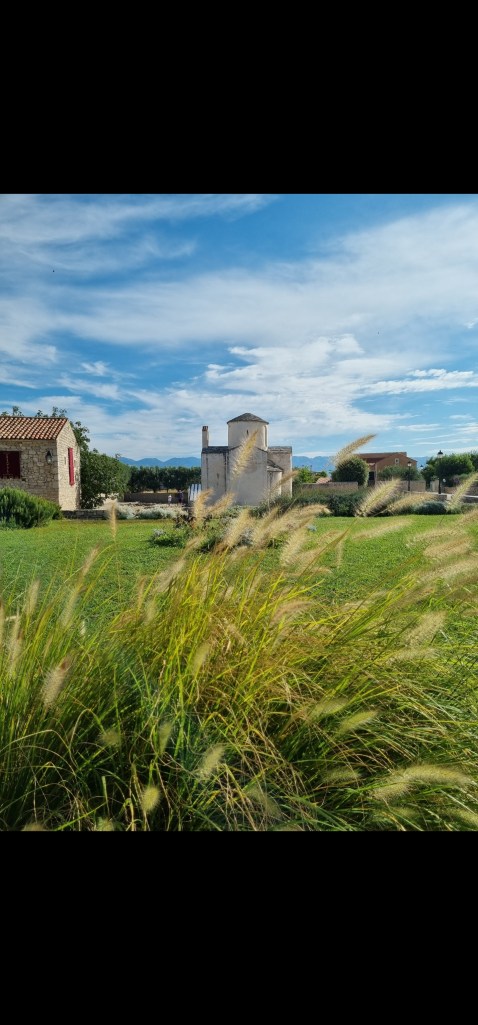
Just 20 minutes from Zadar, Nin is one of Croatia’s oldest towns and feels like a time capsule. You’ll find Roman ruins, the world’s “smallest cathedral,” and old salt pans. It’s quiet, charming, and easily explored on foot
▪︎ Cetina River:
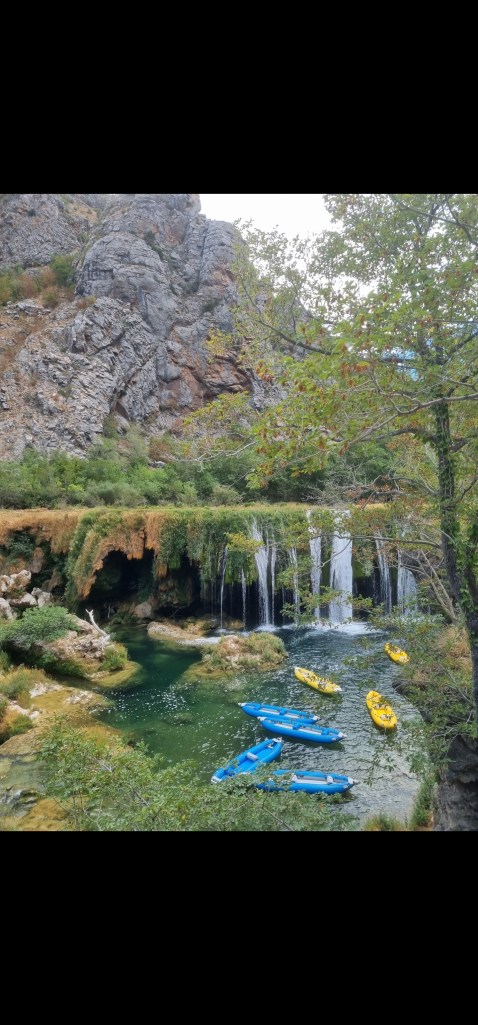
A beautiful and wild part of the region, kayaking or rafting here is recommended. Or simply go for a walk and refreshing swim.
Trogir
Trogir is like a miniature museum island, small enough to explore in a couple of hours, but layered with centuries of history. It’s quieter than Split, and that’s its charm. Stone alleys, faded shutters, hidden courtyards, and that salty smell of boats bobbing in the harbour.
My advice is to stay overnight and see what it looks and feels like without a huge number of tourists. Dont forget to marvel at the architecture and artwork of the towns cathedral, it’s a gem of Croatian architecture.
Šibenik
Everyone rushes past Šibenik on their way to Split or Krka waterfalls. Abut if you stop, you’ll find something real. This is a city that feels lived in. Climb up to one of the fortresses, get lost in quiet backstreets, and watch kids play football in ancient squares. No big show, just daily life wrapped in stone. Don’t skip on seeing the cathedral, one of Croatia’s most famous buildings. After that, take a gelato and get lost in the maze of street’s.
Omiš
Omiš is a small town squeezed between dramatic cliffs and the Cetina River, just 30 minutes south of Split.
If you want adrenaline, this is it:
▪︎ Ziplining over the canyon
▪︎ Kayaking, rafting, or canyoning down the river
▪︎ Hiking to Fortica Fortress for panoramic views
▪︎ Or just taking a boat ride inland through pure nature
Local tip: Climb Fortica at sunrise if you can. The light over the river and sea is unreal
Split
Tourists know Split for Diocletian’s Palace. We know it for its contradictions. It’s busy, loud, full of history and energy. But behind the postcard images are real neighborhoods like Veli Varoš and the trails on Marjan Hill, where locals walk, run, or just escape the city buzz. Nowadays, Split is overrun by tourists, so take that in mind when visiting.
Just above Split sits Klis Fortress, often missed by visitors who stick to the city center. It’s not just a GOT filming location, it’s a real piece of history, used to defend the coast for centuries.
Southern Islands
While everyone races to Hvar, we escape to quieter islands.
Brač: Home to the famous Zlatni Rat beach, yes. But also sleepy inland villages, olive groves, and a slower pace that feels like the Dalmatia of 30 years ago.
Vis: A bit further, and that’s the beauty of it. Less built-up, more honest. Hidden coves, abandoned army forts, and silence you can actually hear.
Korčula: Korčula often gets compared to Dubrovnik, but it’s more relaxed and lived-in. The old town is tiny and beautiful, with stone alleys and terracotta rooftops circling the sea. It’s the kind of place where you can spend a few slow days wandering, swimming, having long coffees by the water.
Hvar: Yes, Hvar Town has luxury yachts and loud nightlife, but there’s so much more if you step away from the scene. Check out Dubovica Beach for a peaceful, local day on the beach.
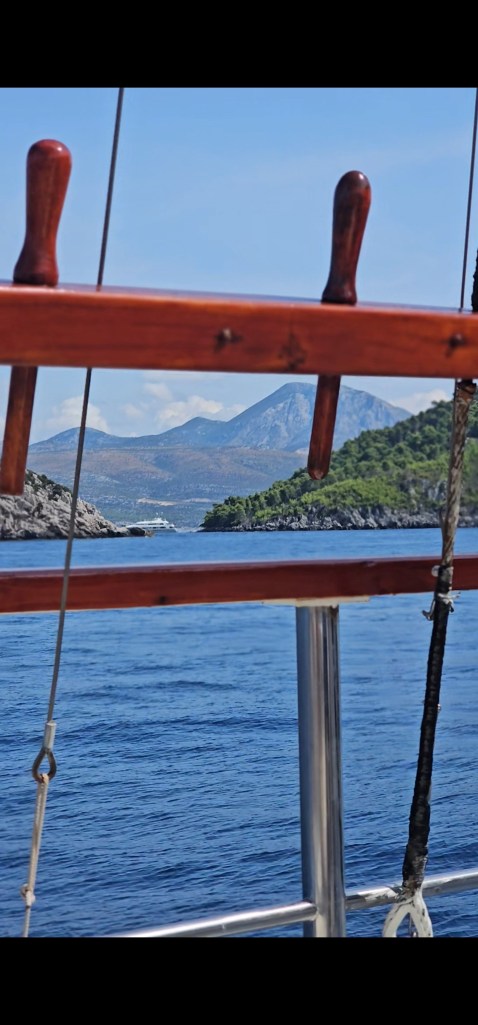
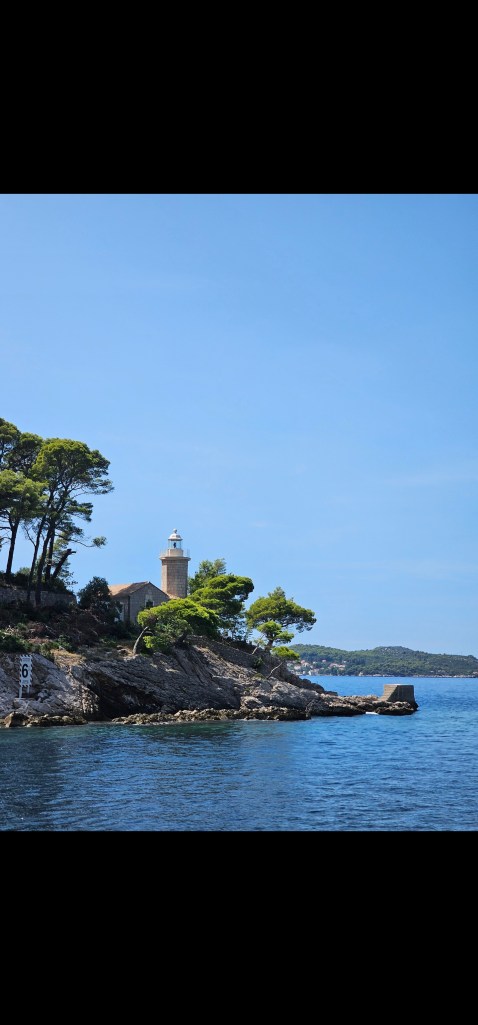
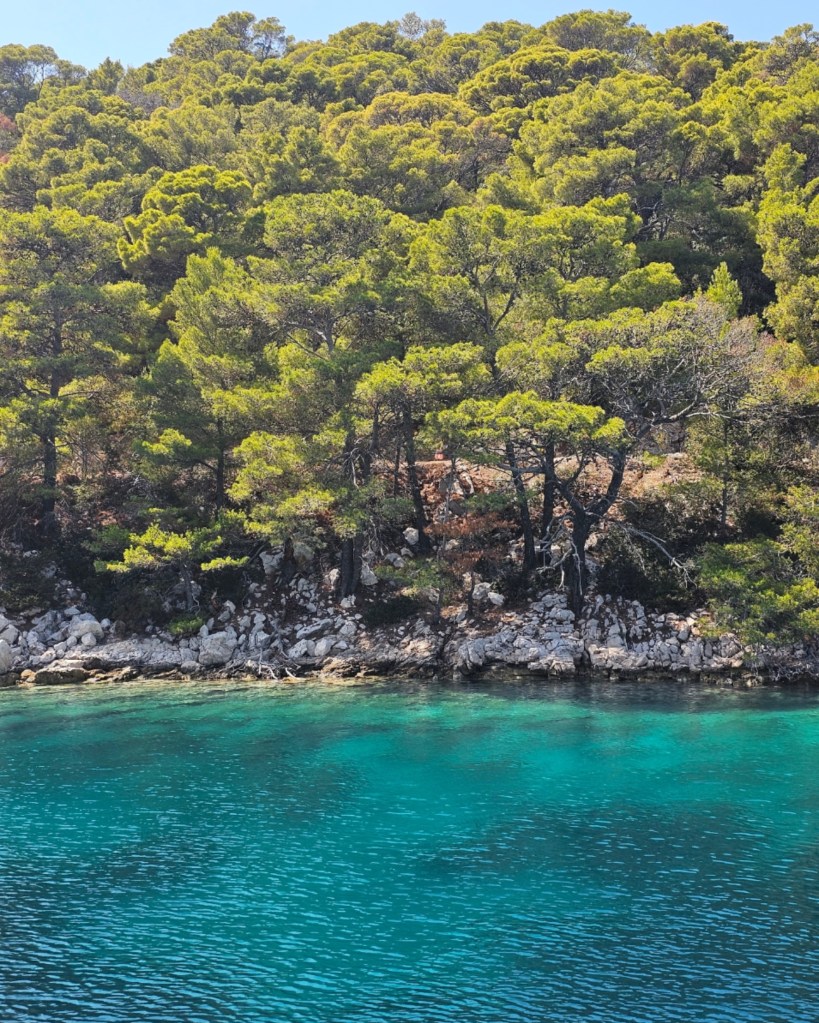
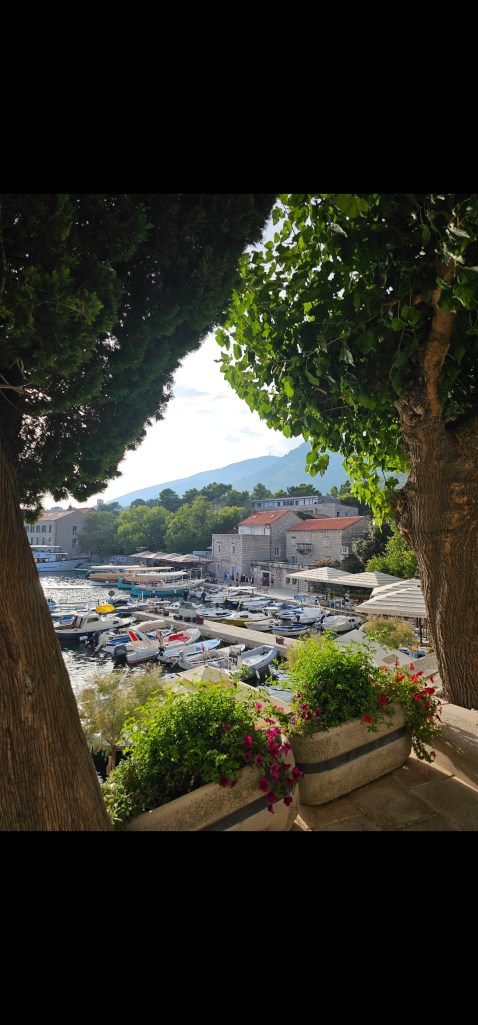
If you come to Dalmatia, I hope you don’t just see it. I hope you feel it. That you let yourself move at its rhythm, let the Adriatic wind tangle your hair, and let the silence speak louder than the selfies.
This is home for me. And now, maybe, a little bit, for you too.
 The Nomadic Vision
Leave a comment