I’ve been to Cuba twice, and every time I step foot on this island, I fall a little deeper in love with its vibrant culture, timeless charm, and stunning landscapes. Whether it’s wandering through the colorful streets of Havana, breathing in the fresh mountain air of Viñales, or relaxing on secret beaches like Cayo Jutía, Cuba always offers something special.
If you’re planning a one-week trip to Cuba and wondering how to pack in the best experiences without rushing, this itinerary is for you. I’ll share exactly where to go, what to do, and how to make the most of your time, plus a few bonus spots if you’re lucky enough to stay longer.

Day 1-3: Havana
Why Havana? It’s Cuba’s bustling capital and cultural hub. Think colorful colonial buildings, lively salsa music, rich history, and mouthwatering food.
Must-dos:
Wander Old Havana (Habana Vieja): Get lost in cobbled streets. Don’t miss Plaza Vieja, Plaza de la Catedral, and the Malecón at sunset.
Ride a classic car: Take a 1950s American convertible tour for that iconic Cuban photo op.
Visit the Museum of the Revolution: To get the historical context behind Cuba’s unique story.
Eat local: Try ropa vieja, Cuban sandwiches, and fresh seafood. Paladares (private restaurants) offer authentic flavors.
Catch live music: Head to the famous La Zorra y el Cuervo jazz club or Fábrica de Arte Cubano (FAC), a creative hotspot for art and nightlife.
Sip a daiquiri at El Floridita: Hemingway’s favorite bar.
Stay: In a casa particular (local guesthouse) in Centro Habana or Old Havana to soak in local life and support locals directly.
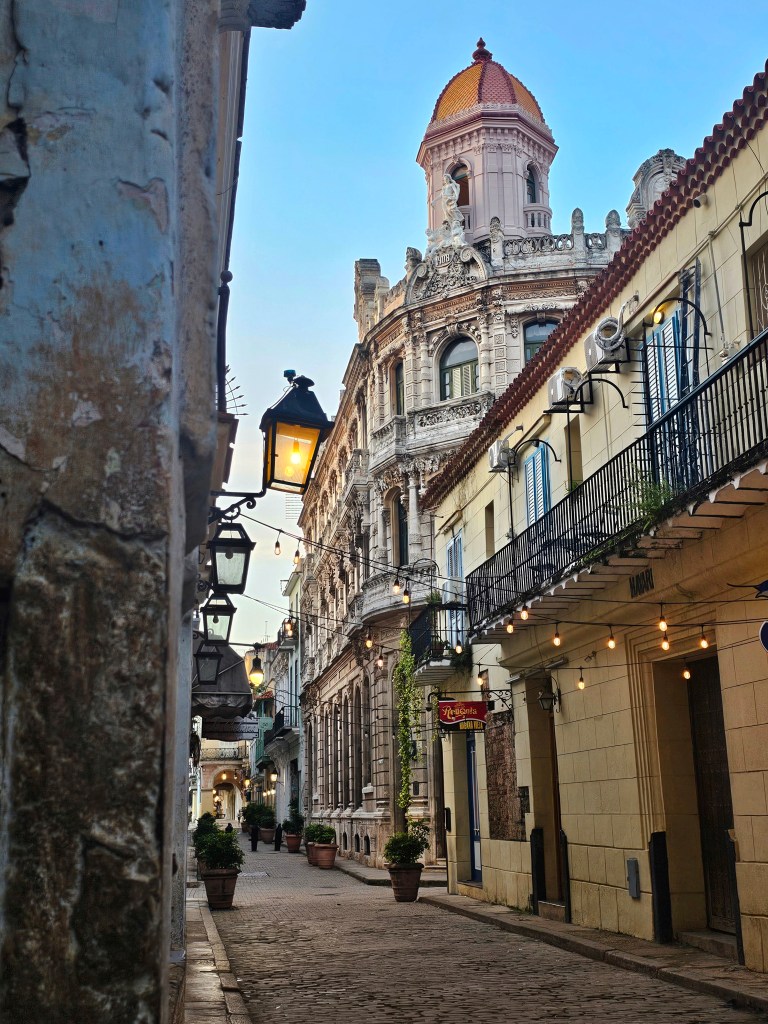
Day 4-5: Viñales for Nature, Tobacco Farms & Relaxation
Why Viñales? It’s Cuba’s lush green valley surrounded by dramatic limestone hills (mogotes), famous for tobacco plantations and a slower pace of life.
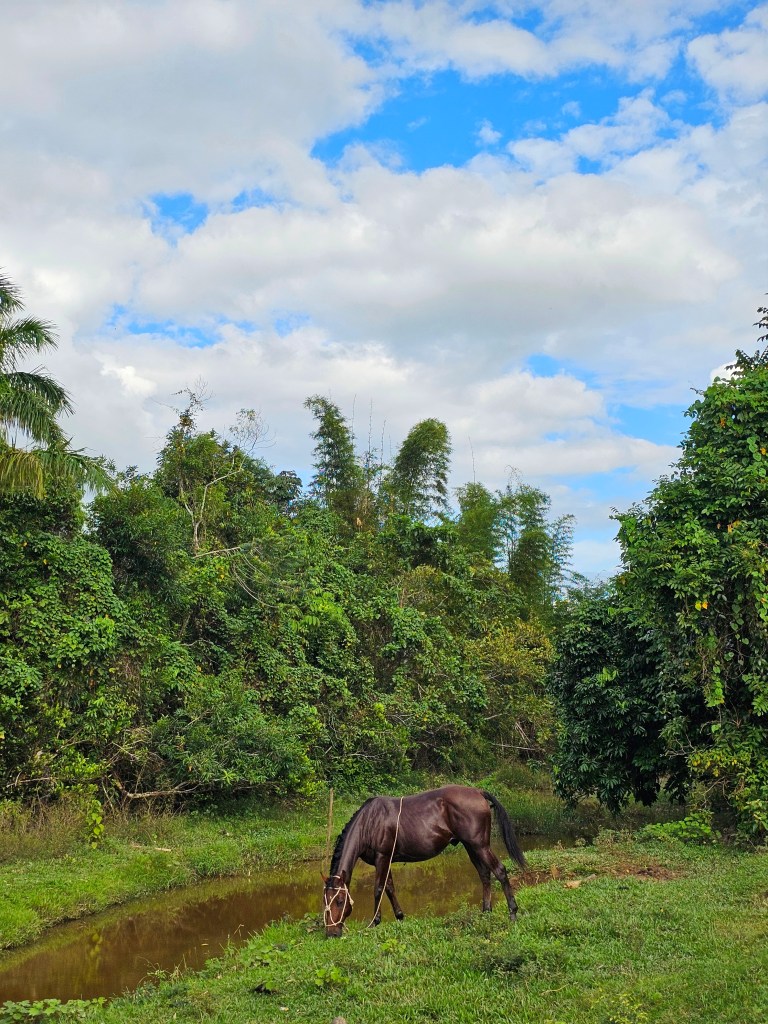
What to do:
• Explore the Viñales Valley: Rent a bike or scooter and cruise through tobacco farms, small villages, and scenic viewpoints.
• Visit a tobacco farm: Learn how Cuban cigars are made, straight from the farmers.
• Walk the Mural de la Prehistoria: A giant, colorful mural painted on a cliff, depicting Cuba’s prehistoric era.
• Go horseback riding: A relaxed way to explore the valley.
• Eat fresh local produce: Try goat stew or yuca with mojo sauce at local casas particulares.
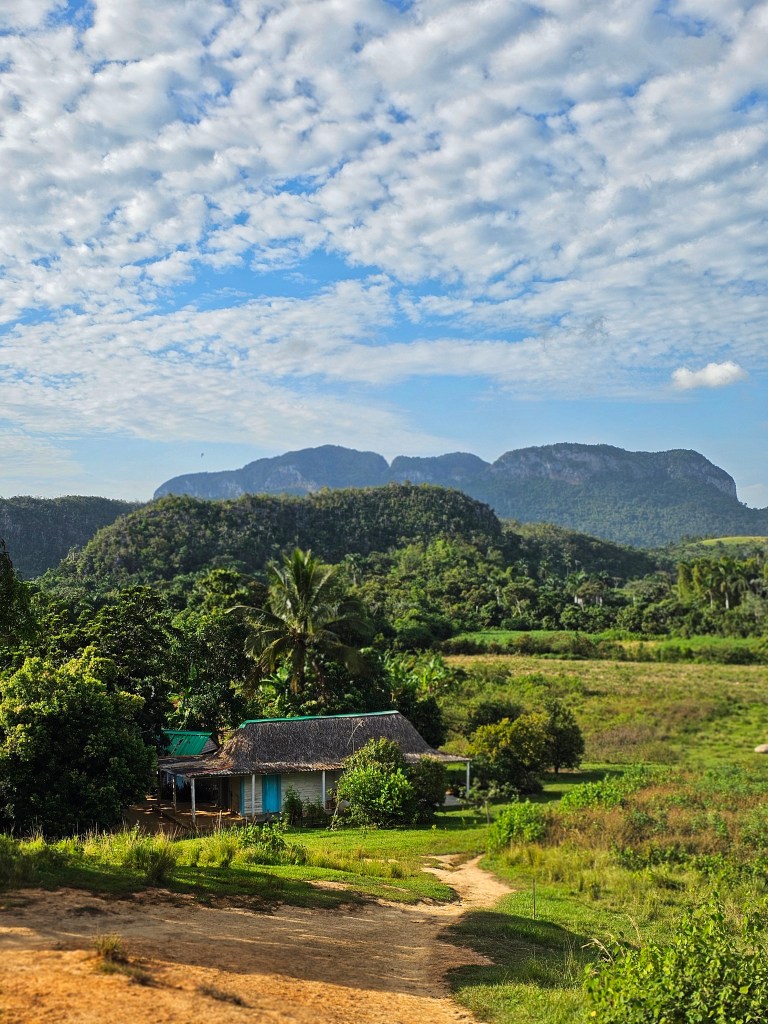
Day 6: Day Trip to Cayo Jutía, Cuba’s Secret Beach Gem
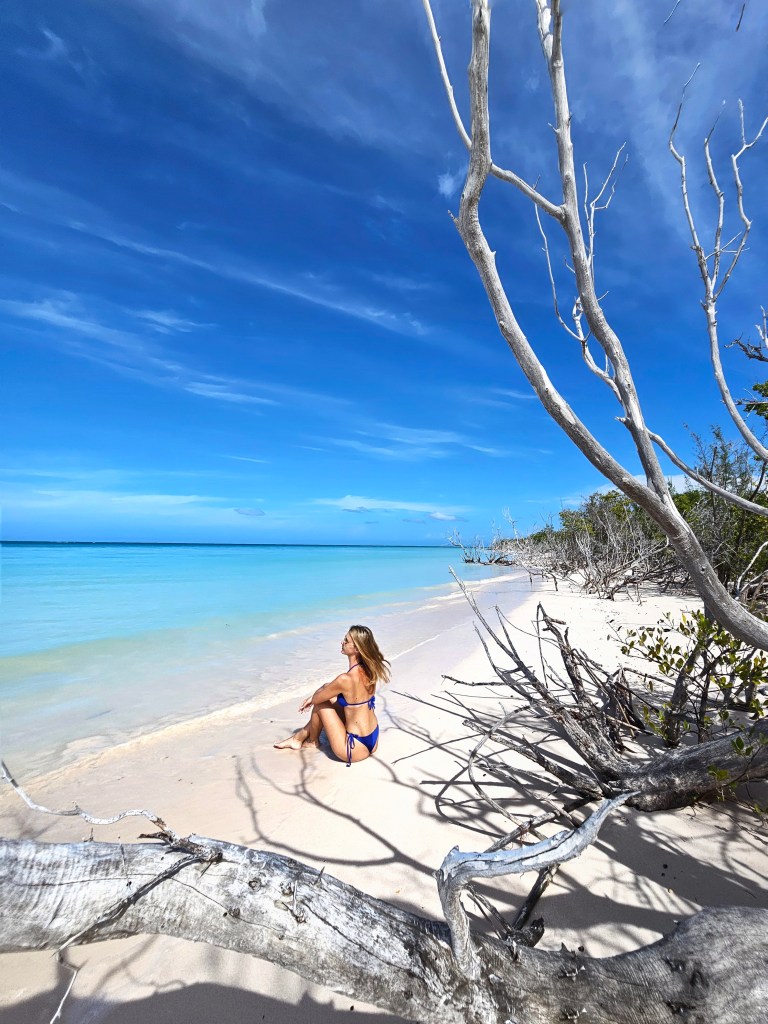
From Viñales, take a day trip to Cayo Jutía, a stunning beach paradise with crystal-clear water and soft white sand. It’s off the usual tourist radar, making it perfect for a quiet day of sunbathing, swimming, and snorkelling.
Tips:
• Arrange transport in advance, it’s about 2 hours from Viñales.
• Bring cash, snacks, water, and snorkelling gear if you want to explore underwater.
• The beach has a simple restaurant with fresh seafood, perfect for a lazy lunch.
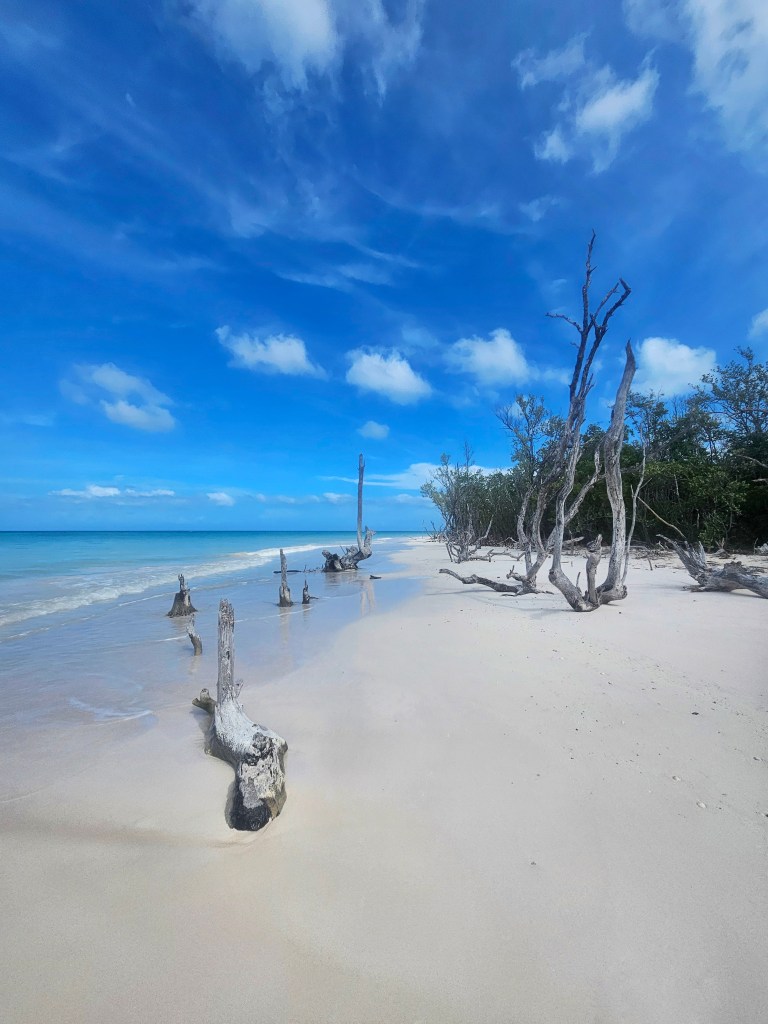
Day 7: Back to Havana or Head to Trinidad if You Have More Time
• Option A: Havana for last-minute shopping and city vibes
Spend your last day exploring neighbourhoods like Vedado or Miramar, or just relax by the Malecón.
• Option B: Extend to Trinidad, Cuba’s Colonial Gem
If you can stay longer, Trinidad is a must. It’s a UNESCO World Heritage town with pastel-colored streets, cobblestone alleys, and a laid-back vibe.
~ Explore Plaza Mayor: The town’s historic center with cafes, museums, and colonial architecture.
~ Visit Topes de Collantes National Park: A lush area for hiking and waterfalls nearby.
~ Beach day: Playa Ancón is a beautiful beach 15 minutes from town, perfect for snorkelling.
~ Nightlife: Head to Casa de la Musica for live salsa and dancing.
If You Have Even More Time, Bonus Spots to Consider
• Cienfuegos: Known as the “Pearl of the South,” with French-inspired architecture and a charming seaside vibe.
• Baracoa: Cuba’s oldest city, isolated and surrounded by jungle, perfect if you want to get off the beaten path.
• Santa Clara: Famous for Che Guevara’s mausoleum and revolutionary history.
• Santiago de Cuba: The island’s second-largest city, with a rich Afro-Cuban culture and vibrant music scene.
Practical Tips for Travelling Cuba
• Currency: Bring cash (Euros or Canadian Dollars preferred, USD can have extra fees). Exchange at official CADECA offices.
•Internet: WiFi is limited. Buy a prepaid internet card and use WiFi hotspots.
• Transport: Use shared taxis (almendrones) or private drivers between cities. Buses exist but are often unreliable.
•Language: Spanish is spoken everywhere. Basic phrases go a long way, and locals appreciate any attempt.
•Cash-only: Most places don’t accept cards, so keep cash on hand.
Cuba is about slowing down, savouring moments, and connecting with its people and culture. Whether it’s your first trip or your second like mine, this itinerary balances iconic sights with hidden gems to make sure your week (or more) is unforgettable.
Have you been to Cuba? Or planning your trip? Let me know your favourite spots or questions!
 The Nomadic Vision
Leave a comment